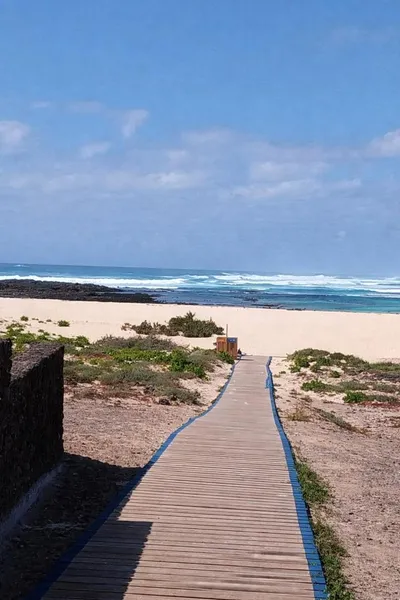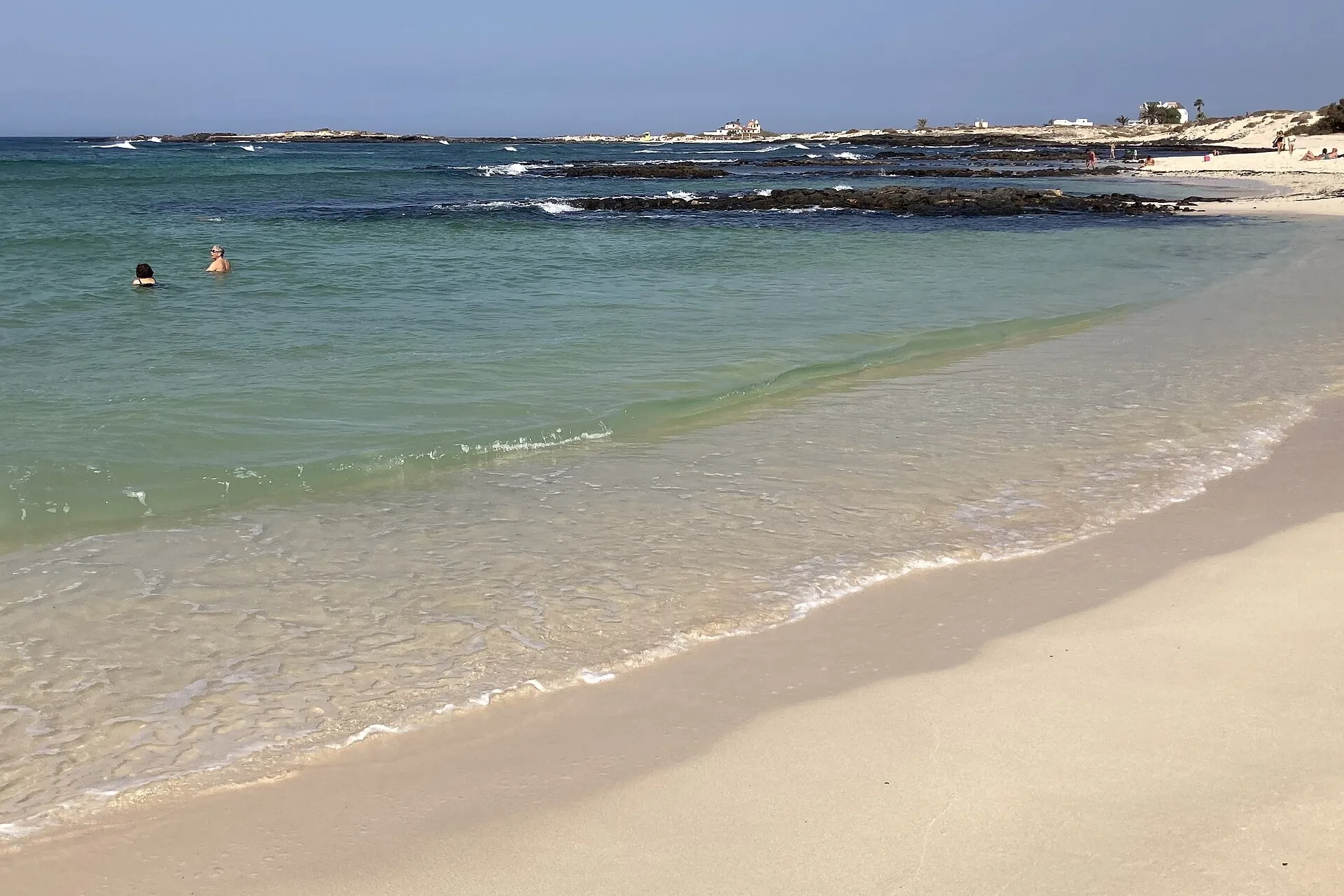
Calm turquoise lagoon at Playa de la Concha, El Cotillo, enclosed by a horseshoe-shaped volcanic reef

Photo: Rtborge (CC BY-SA 4.0), via Wikimedia Commons

El Cotillo, Fuerteventura

Playa de la Concha

Fuerteventura's calmest lagoon beach, right at El Cotillo's edge

Playa de la Concha nestles on the northern edge of El Cotillo village, where a horseshoe-shaped reef absorbs the Atlantic swell before it can reach the sand. Consequently, the shallow waters within the bay remain remarkably calm on most days — however, while the reef tames the waves, it offers no respite from the wind, ensuring this remains a breezy corner of an inherently windy island. At low tide, fascinating rock pools emerge, and the beach itself is just a ten-minute stroll from the harbour.

The reef, the lagoon, and why it's usually calm
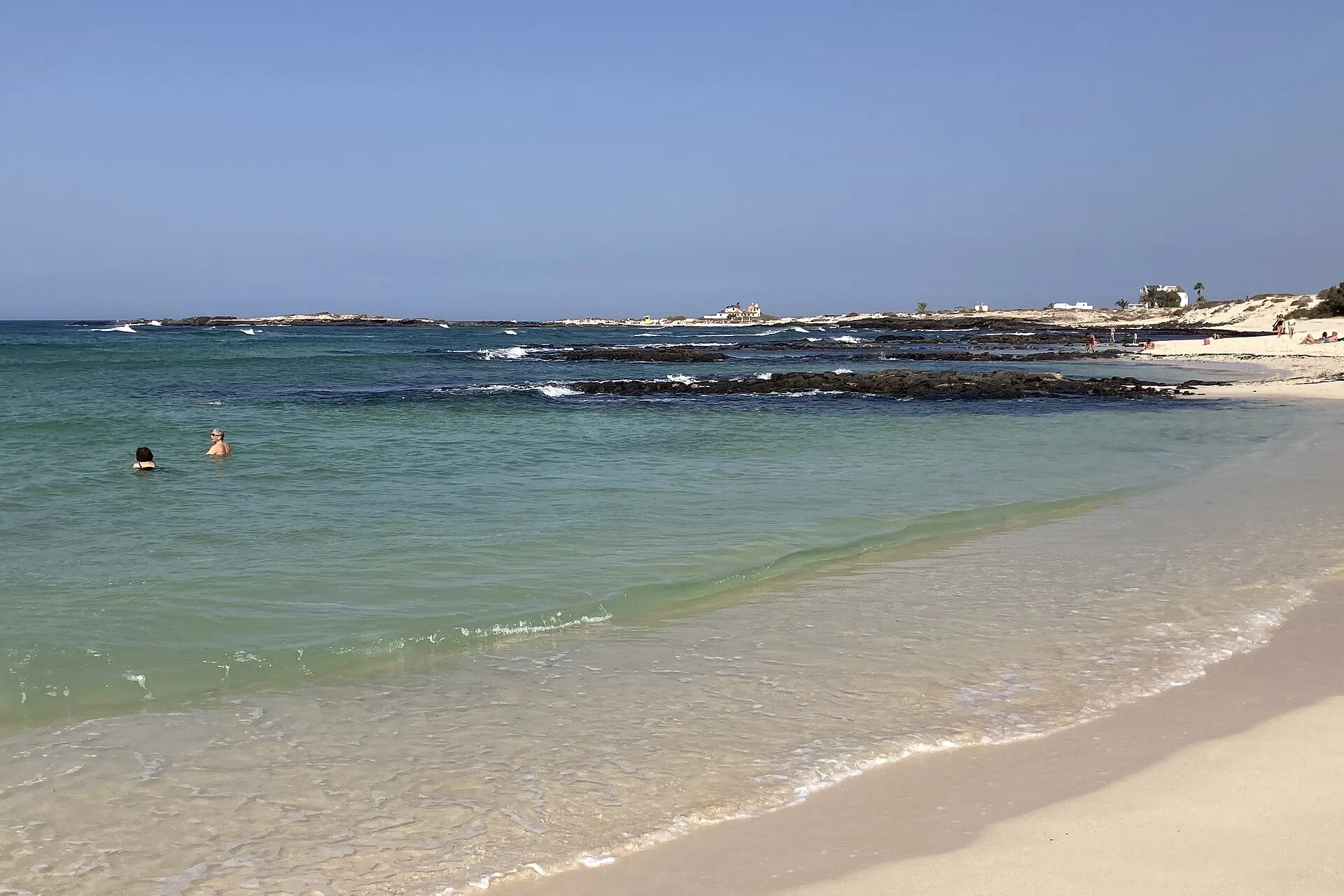
Calm turquoise lagoon at Playa de la Concha, El Cotillo, enclosed by a horseshoe-shaped volcanic reef
Fuerteventura's calmest lagoon beach, right at El Cotillo's edge · Photo: Rtborge (CC BY-SA 4.0), Wikimedia Commons

Playa de la Concha nestles on El Cotillo's northern fringe, within La Oliva municipality on Fuerteventura's northwest coast. 'Concha' means shell in Spanish, and the gentle curve of the bay between its two rocky headlands closely echoes this shape, explaining its evocative name.

Its remarkable calm stems from a natural volcanic reef offshore, curving like a horseshoe to absorb the Atlantic swell before it can reach the shore. Within its embrace, the water remains shallow, crystal-clear, and on most days, exceptionally gentle – making it the go-to recommendation for local families.

While the reef effectively tames the waves, it offers no barrier to the wind; El Cotillo experiences the same Atlantic trade winds as the rest of the island. Locals have constructed *corralitos*, low circular walls of stacked volcanic rock, on the sand for shelter; seeking refuge behind one provides a noticeable reduction in wind. Even with the reef's protection, the calm isn't absolute: as the tide rises, water begins to break over rocks that appeared dry just an hour earlier. Therefore, anyone venturing onto the reef must monitor the tide as carefully as the waves.

Not the same as El Cotillo's other beaches

La Concha is just one of several beaches gracing El Cotillo's coastline, a fact that often leads to confusion among visitors. South of the village, beyond the fishing harbour, lies a distinctly different beach: Playa del Castillo (also known as Piedra Playa). This stretch is entirely exposed to the Atlantic swell, boasting genuine surf and powerful currents on larger days. Just outside the harbour mouth, a challenging reef break known to surfers as the 'Spew Pits' caters exclusively to experts and is emphatically not a swimming spot. Crucially, none of these conditions apply at La Concha, which lies on the village's northern side.

Heading north from La Concha, the coastline unfurls into a series of smaller, picturesque lagoons — Caletón is the immediate next at approximately 400 metres, followed by a scattered chain often collectively known as Los Lagos, stretching towards the Faro de El Tostón lighthouse. These northern coves are noticeably wilder and less developed than La Concha: they lack lifeguards and restaurants, attract fewer people, and some are informally frequented by naturists. La Concha stands out as the first, largest, and only one among them to offer amenities such as parking, showers, and a dedicated lifeguard on the sand.

Facilities, food and getting there

The beach itself is well-equipped for a day out: offering a car park virtually on the sand, a seasonal lifeguard post, showers, toilets, disabled access, and a charming small beach bar (Azzurro) directly on the shore. Its sister sit-down Italian restaurant, complete with a terrace overlooking the bay, is conveniently located across the road rather than on the beach itself. For anything beyond these immediate amenities, a pleasant ten-to-fifteen-minute stroll along the coast path leads into El Cotillo village. Here, the old fishing harbour is lined with inviting seafood restaurants, alongside supermarkets, cafes, and bike hire options.

It's about 21km (a 20-25 minute drive) from Corralejo, and roughly 42km from the airport near Puerto del Rosario. Sea temperatures typically range from around 19°C in late winter to approximately 23°C in September. As the beach faces west, it's also a truly spectacular sunset spot. A post-dinner stroll will often reveal locals gathering to witness the same breathtaking spectacle. Annually in November, La Concha proudly hosts the opening day of the International Kite Festival, before the event relocates to Corralejo's dunes for the remainder of the weekend.

Where is Playa de la Concha?

Frequently asked questions