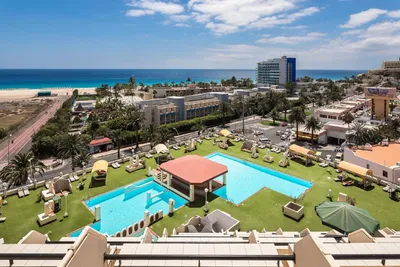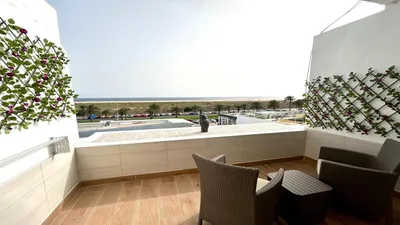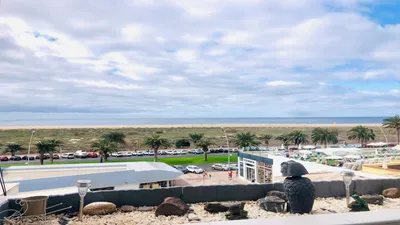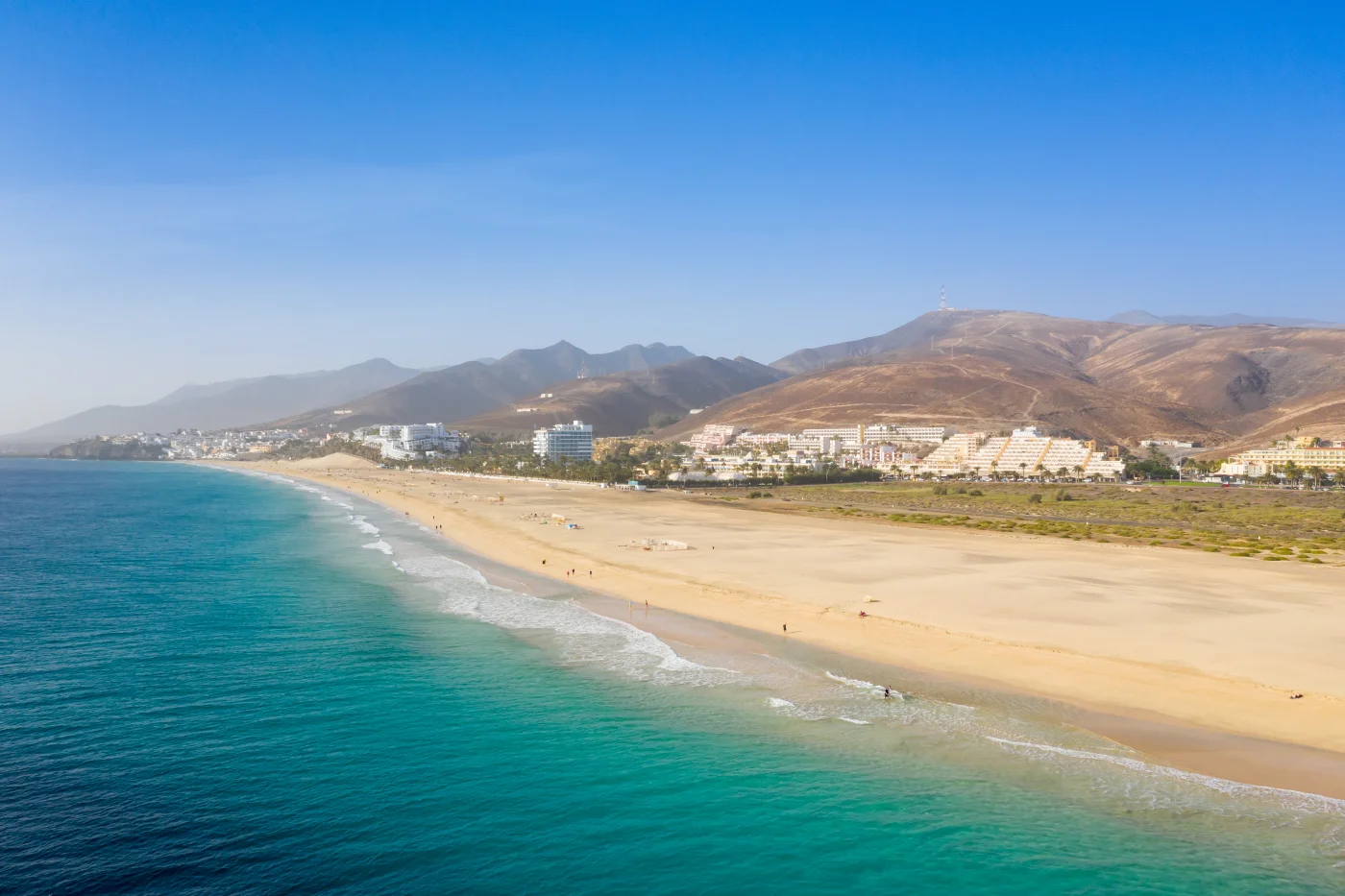
Expansive golden sands of Playa del Matorral in Morro Jable, featuring a lifeguard tower and tranquil turquoise waters.
Morro Jable, Fuerteventura

Playa del Matorral

Morro Jable's expansive golden beach, known for its tranquil waters and superb amenities.

Playa del Matorral stands as Morro Jable's principal beach and one of Fuerteventura's finest all-rounder family destinations. Its soft, pale sand extends for over two kilometres, meeting calm, shallow waters ideal for swimming. A bustling seafront promenade ensures effortless access to a wealth of restaurants, sunbed rentals, and public showers. Dominating the eastern end of the beach is the iconic Faro de Morro Jable lighthouse.

Morro Jable's town beach
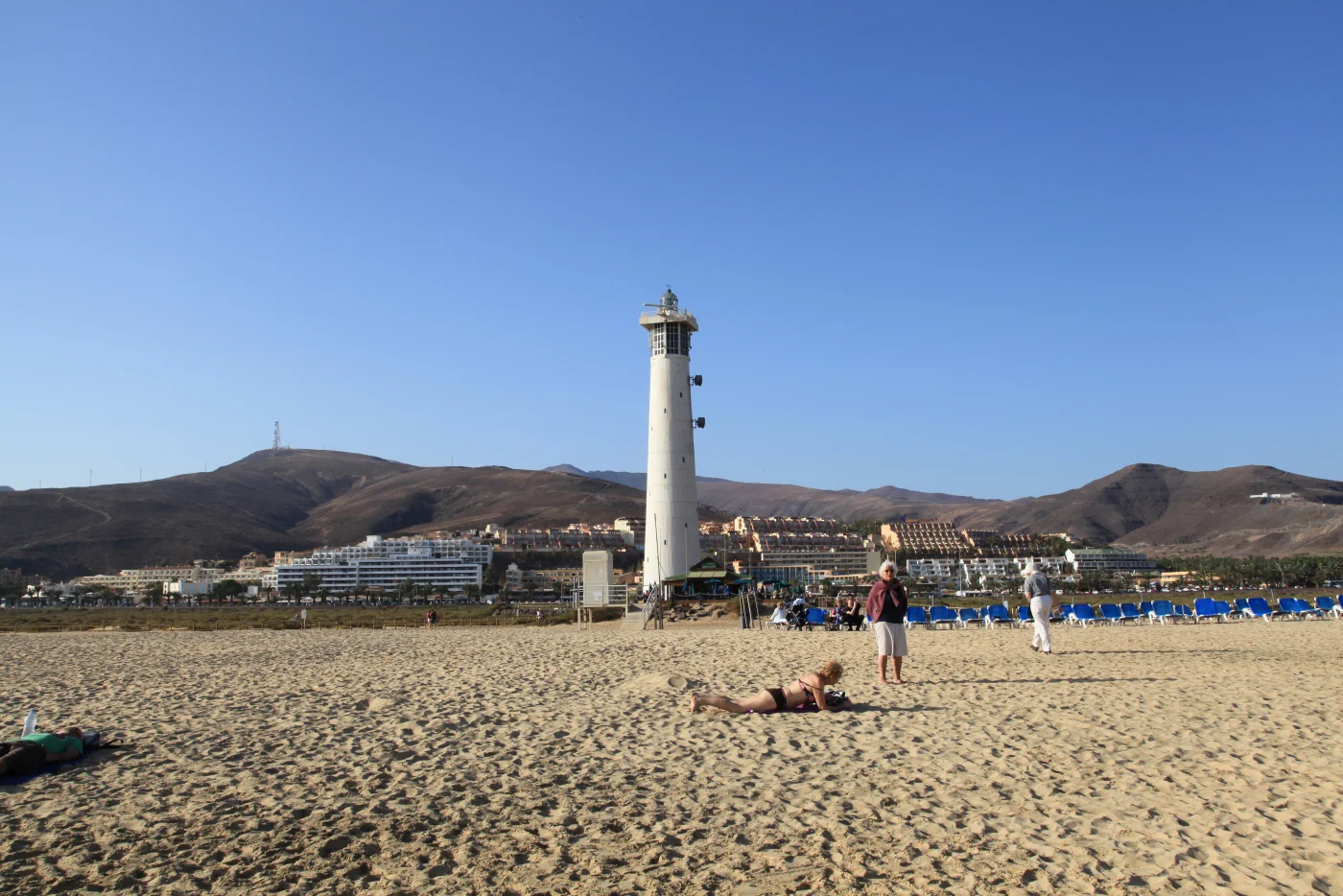
Wide golden sand and calm turquoise water at Playa del Matorral with a lifeguard tower
Calm, shallow water and a gentle slope make Matorral a safe family beach

Playa del Matorral forms the expansive, pale sandy crescent that characterises Morro Jable on Fuerteventura's southern coast. Stretching for several kilometres east of the historic fishing village, it's bordered by a protected saltmarsh nature reserve (the 'matorral' itself, from which the beach derives its name) and the low-rise hotels and apartments lining Avenida del Saladar.

The sand is soft and pale, a beautiful shade somewhere between Caribbean white and golden, and slopes gently into the sea. Significantly calmer than the wind-exposed beaches of Corralejo or El Cotillo, and reliably Blue Flag certified, the swimming here is exceptionally safe for families with young children. The iconic Faro de Morro Jable lighthouse, marking the beach's eastern extremity, offers a natural turnaround point for a leisurely stroll.

This is a beach that rewards daily visits, its varied character ensuring there's always something new to discover. The western end, closest to the old village, is the liveliest, dotted with the most beach bars. The central section, fronting the hotel strip, tends to be the busiest and cleanest, popular with sunbathers. For those seeking solitude, the longer, quieter stretches towards the lighthouse provide ample space for an hour's walk, often without encountering many others.

Facilities, walks and what to do

Comprehensive beach facilities are available along most of the central section. Visitors can rent sun loungers and umbrellas (typically around 15 euros for a pair and an umbrella for the day), utilise public showers and toilets, and benefit from lifeguard towers during the summer months. Numerous restaurants and beach bars are just a short stroll away along the promenade.

The promenade itself – a paved, palm-lined pathway stretching for several kilometres – ranks among the island's most appealing seafront walks. It's ideal for invigorating early-morning runs, leisurely evening strolls, and perfect for pushchairs and bikes. Bicycles can be rented from the bus station, allowing for an hour-long cycle east to the lighthouse and back.

Behind the central beach section lies the matorral saltmarsh, a protected nature reserve and 'Sitio de Interés Científico'. Short walking paths wind through the reserve, where a small information board explains this unique coastal habitat. Egrets, plovers, and occasional flamingos are frequently sighted, their calls audible at dawn from the apartments along Avenida del Saladar.

For watersports enthusiasts, the gentle conditions make this an excellent spot to try paddleboarding (SUP) and kayaking. Schools located at the western end of the beach offer convenient hour-long rentals.

Practical: tides, parking and the best times

Parking here is notably easier than at many Spanish beaches. Several free car parks are available along Avenida del Saladar, all offering direct beach access. For paid parking, the nearest option is at the shopping centre located at the western end of the strip.

The beach remains impressively wide at low tide, ensuring that even on busy days, it rarely feels overcrowded. At high tide, however, the upper sandy areas become significantly narrower, particularly in front of the main hotels. Given the significant tidal range, it's advisable to consult tide times if planning to walk the entire length of the beach.

The most pleasant months are generally March to June and September to November, when temperatures are agreeable and the beach experiences fewer crowds than during the peak summer. Winter offers mild conditions and is highly popular with long-stay European visitors, while summer is hot and sees the beach at its busiest in August.

On windy days, the southern (lighthouse) end provides greater shelter than the exposed central section. Conversely, on hot days, the western end offers more opportunities for shade, thanks to the promenade's palm trees and the presence of beach bars.

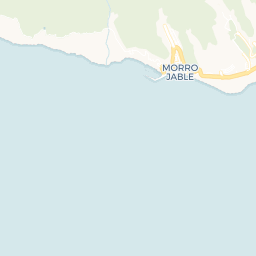
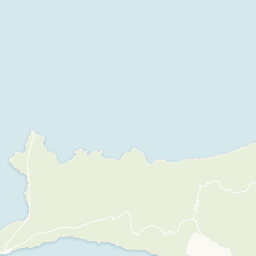
Where is Playa del Matorral?

Frequently asked questions