Unravelling the 'Popcorn' Mystery
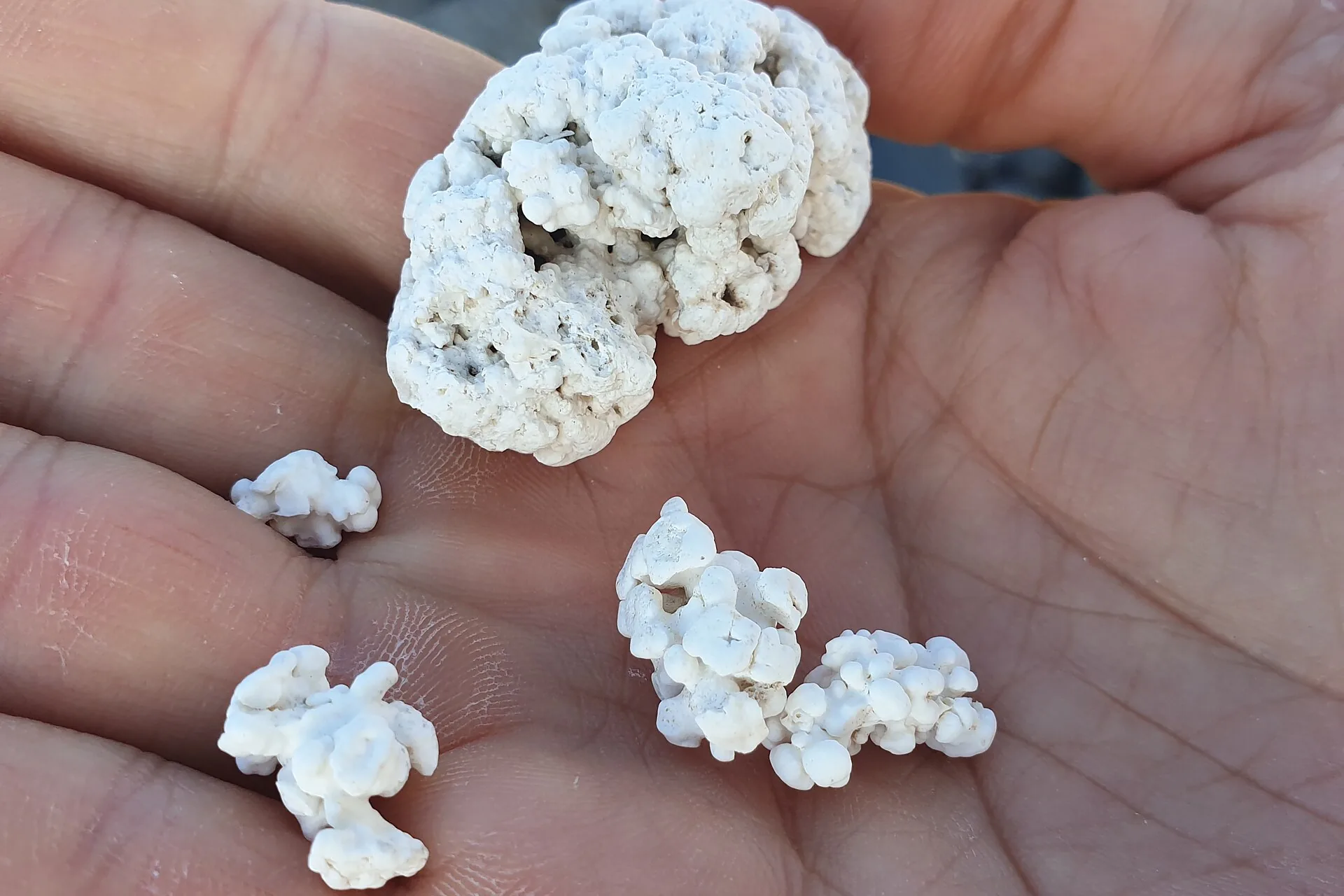
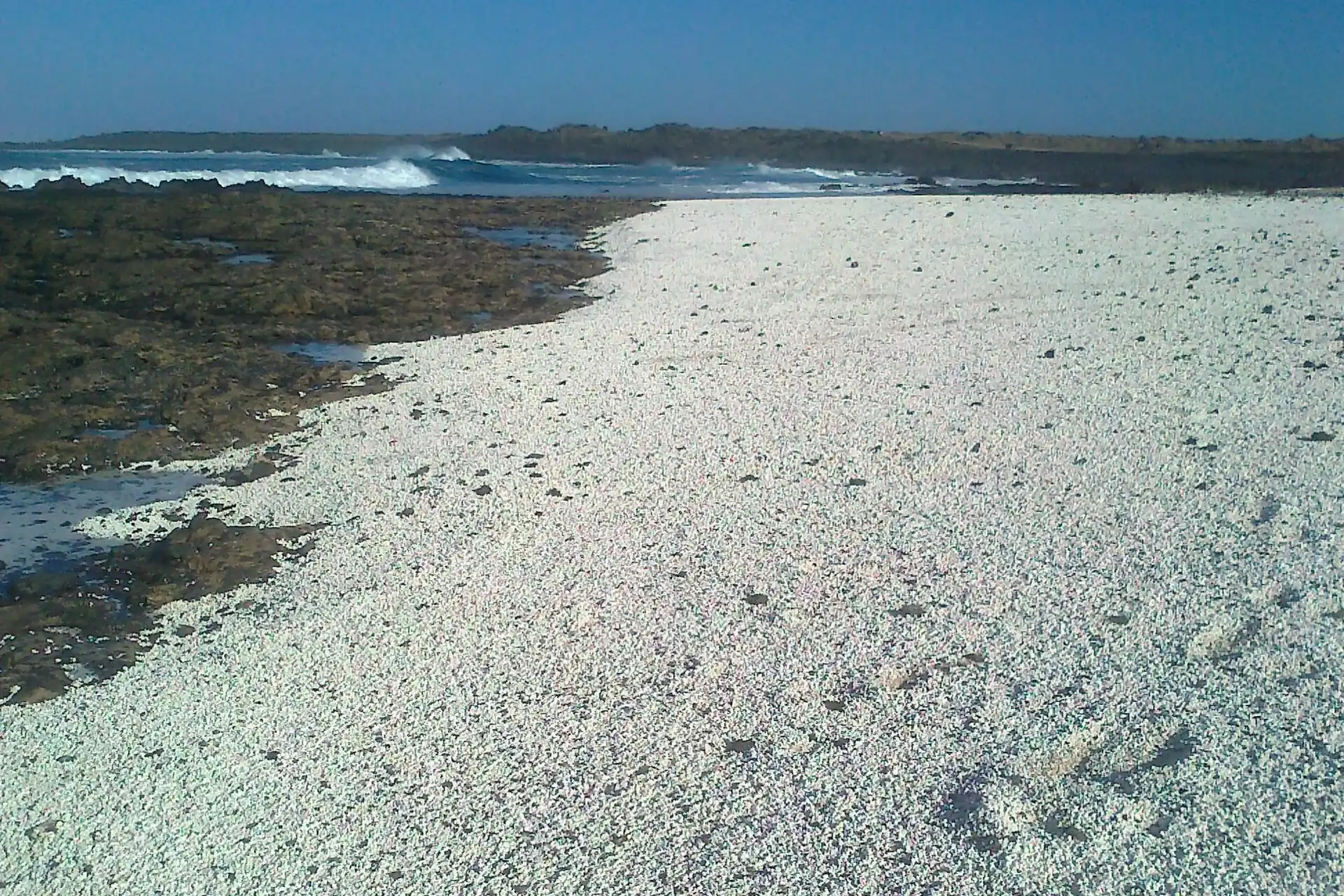
The distinctive white nodules carpeting this coastline are rhodoliths – free-living formations of coralline red algae that grow unattached on the seabed. A 2022 study by an international research team, published in Frontiers in Marine Science, identified Lithothamnion cf. corallioides as the dominant species along this coast, with beach deposits containing up to 5,000 rhodoliths per square metre. While vibrant reddish-purple underwater, these algae turn brilliant white within weeks once storms or currents detach them and push them ashore.
Crucially, these are algae, not coral, despite common misconceptions. The same study estimated a total of around six million rhodoliths across the surveyed stretch, though approximately two-thirds are already fragmented or eroded. The beach itself is entirely devoid of sand; instead, it is composed solely of these nodules, which vary in size from small peas to golf balls, resting on a dark volcanic rock base.