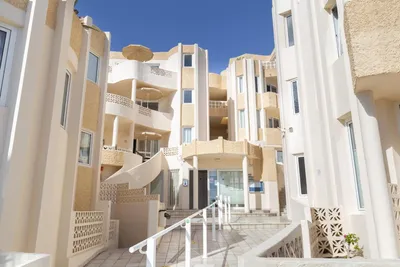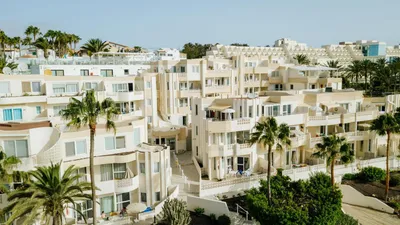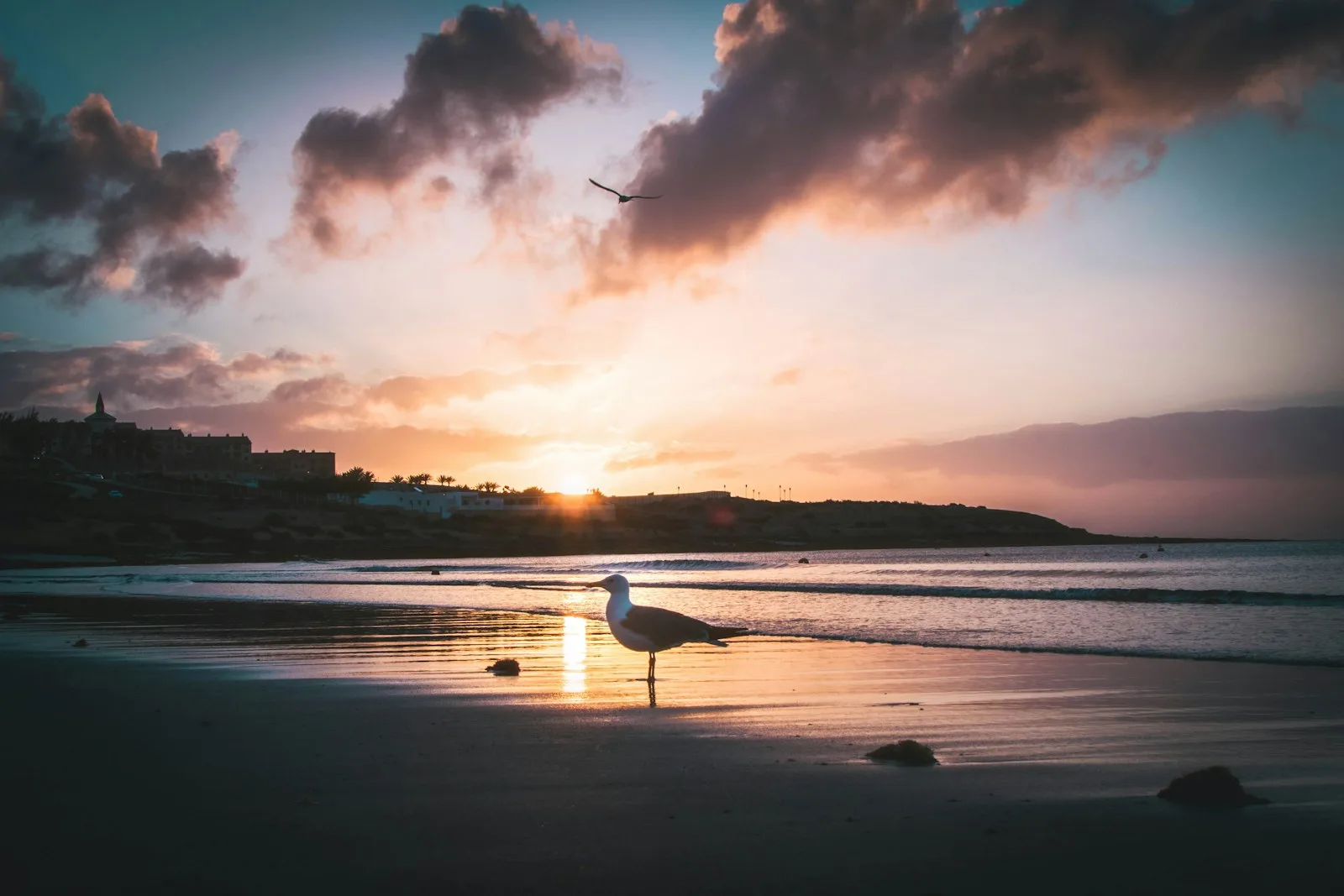
Aerial view of Costa Calma's sheltered turquoise bay and resort strip along Fuerteventura's Jandía peninsula
Costa Calma, Fuerteventura

Costa Calma

Crystal-clear lagoons and gentle waves perfect for families

Costa Calma lives up to its name — a calm coast halfway down the Jandía peninsula. The shallow turquoise lagoon at Sotavento is world-famous among windsurfers, but the calm water is equally perfect for young children learning to swim. The resort is well-organised with good supermarkets, restaurants, and a laid-back atmosphere that suits families and couples alike.

A resort built for calm water
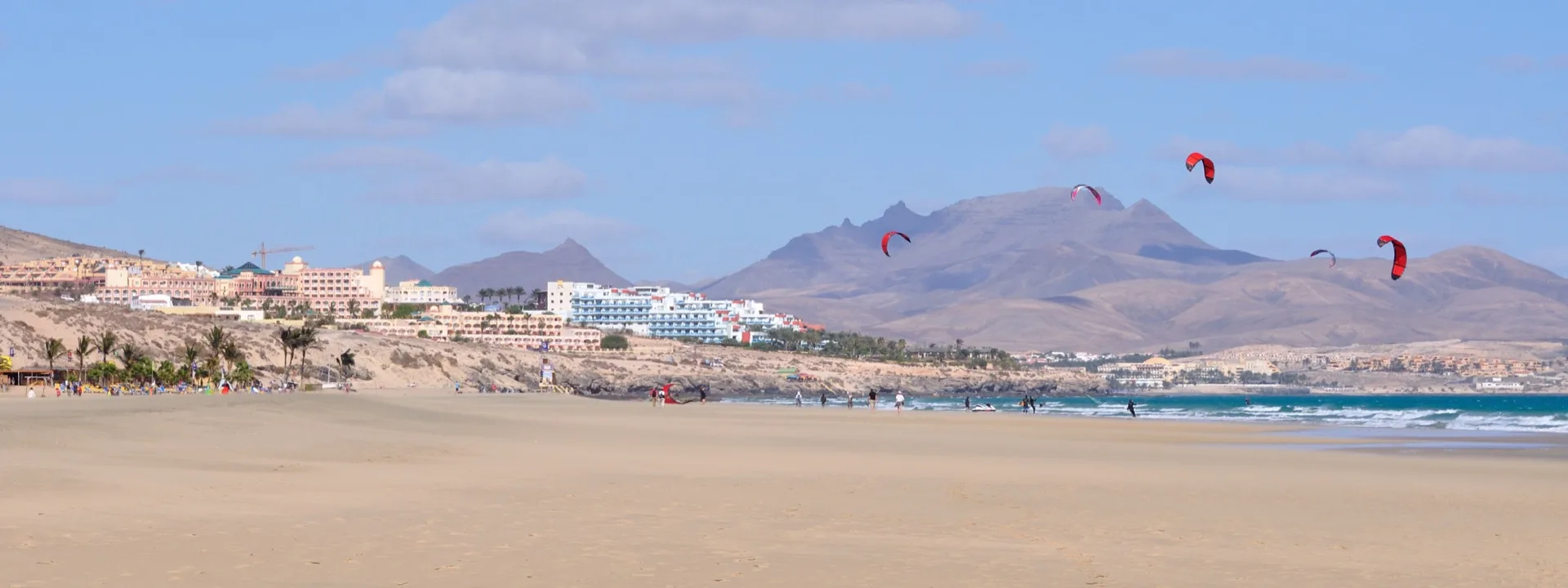
Sheltered turquoise bay at Costa Calma backed by hotels and palm trees
The eastern coast sits sheltered from the trade winds

Costa Calma sits at the narrow neck of the Jandía peninsula, on the sheltered eastern side. The name means exactly what you'd guess: this stretch of coast is protected from the northeast trade winds by the Jandía mountains, which means the water on most days is calm, clear and surprisingly warm.

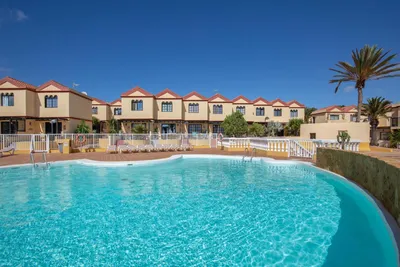
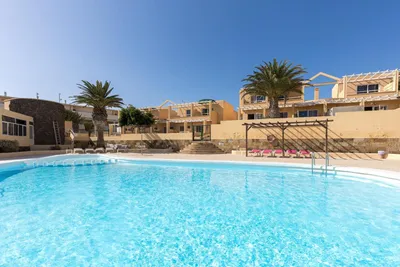
The town itself is a planned resort from the 1980s — there's no old village here, no fishing harbour. What you get instead is a long line of low-rise hotels and apartment complexes spread along a couple of kilometres of coast, with palm-lined avenues, supermarkets, a shopping centre and a steady supply of restaurants. It's organised, easy and aimed squarely at families and couples who want a relaxed week in the sun.

The crowd here skews older than Corralejo and noticeably more German. People come back year after year — you'll see the same faces at the same beach bars. It's quieter in the evenings: most restaurants close by 11pm and proper nightlife is essentially absent. That suits a lot of guests very well.
Beaches and the Sotavento lagoon

Playa de Costa Calma is the town beach — clean, blue-flag, with sun loungers, showers and a string of beach bars. The slope into the water is gentle and the swimming is calm. Walking south along the shore, you reach Playa de la Barca, then the famous Sotavento lagoon, which is one of the world's premier windsurfing venues and the venue for the PWA World Cup each summer.

Sotavento works because of a long sandbar that traps a vast shallow lagoon at high tide. At low tide it drains almost entirely, leaving an enormous flat beach. Either state is spectacular. Even non-windsurfers come for the colour of the water and the strange tidal landscape. You can walk to it in 30 to 40 minutes from the southern end of Costa Calma or drive in ten.

For snorkelling, the rocky fringes at Playa del Bajo Negro (just north of town) give the clearest visibility — bring your own gear because rental isn't reliable here.

What to do beyond the beach

Cycling is the standout. The FV-2 has a parallel cycle path running most of the way down the peninsula, and there are bike hire shops on the main strip. Strong riders can ride to Morro Jable and back in a morning; gentler outings include a loop around the saltflats at La Pared on the windward side.

Windsurf and kite schools cluster around Sotavento — René Egli is the biggest and best-known, running courses for all levels and renting equipment by the day. They'll shuttle you down from Costa Calma if you've booked a course.

For a change of scene, drive 30 minutes north to the village of La Pared on the Atlantic-facing coast — dramatic cliffs, big surf, a couple of cliff-edge restaurants. The contrast with Costa Calma's calm bay is striking. Inland, the village of Pájara is a 25-minute drive and has a famous 17th-century church with carved stone portal and a good Saturday market.

Practical: when to come and where to stay

The airport is about 65 kilometres north, around 50 minutes by car. The line 10 express bus runs hourly along the FV-2 from the airport and stops in Costa Calma.

Costa Calma's sheltered position means it works year-round. Winter water temperatures here are typically a degree or two warmer than the windward coast. Summer is hot but the bay is calmer than the northern resorts. The shoulder seasons (April to June, September to mid-November) are ideal — warm, sunny and quieter.

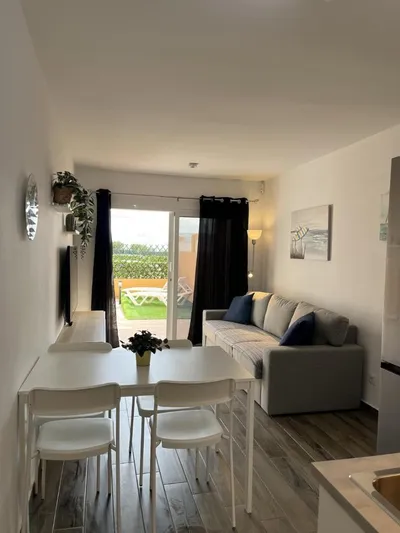
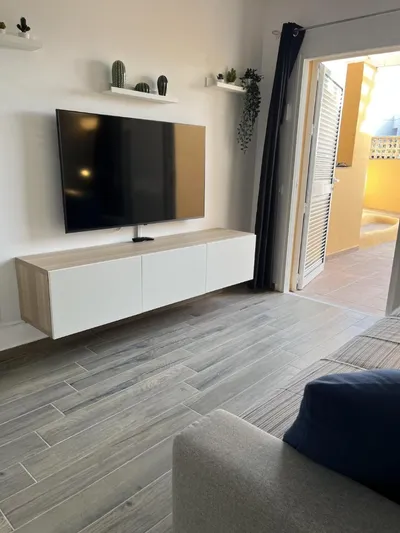
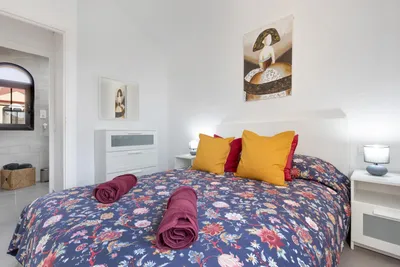
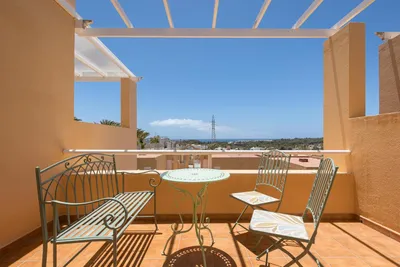
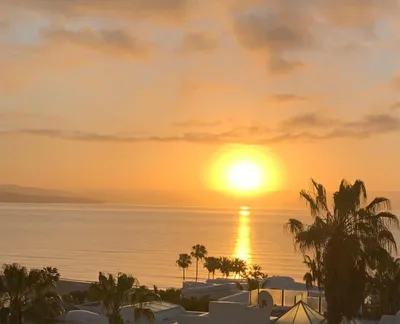
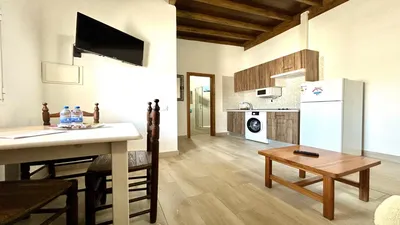
For where to stay, the apartment complexes either side of the central avenue give you walkable access to the beach, supermarkets and restaurants. The newer developments on the southern side near Cañada del Río put you closer to Sotavento. If you want maximum quiet, look at the residential streets up the hill behind Avenida El Palmeral — short walk down, lovely views back to the sea. Browse Costa Calma holiday rentals to find what suits you.

Where is Costa Calma?

Frequently asked questions