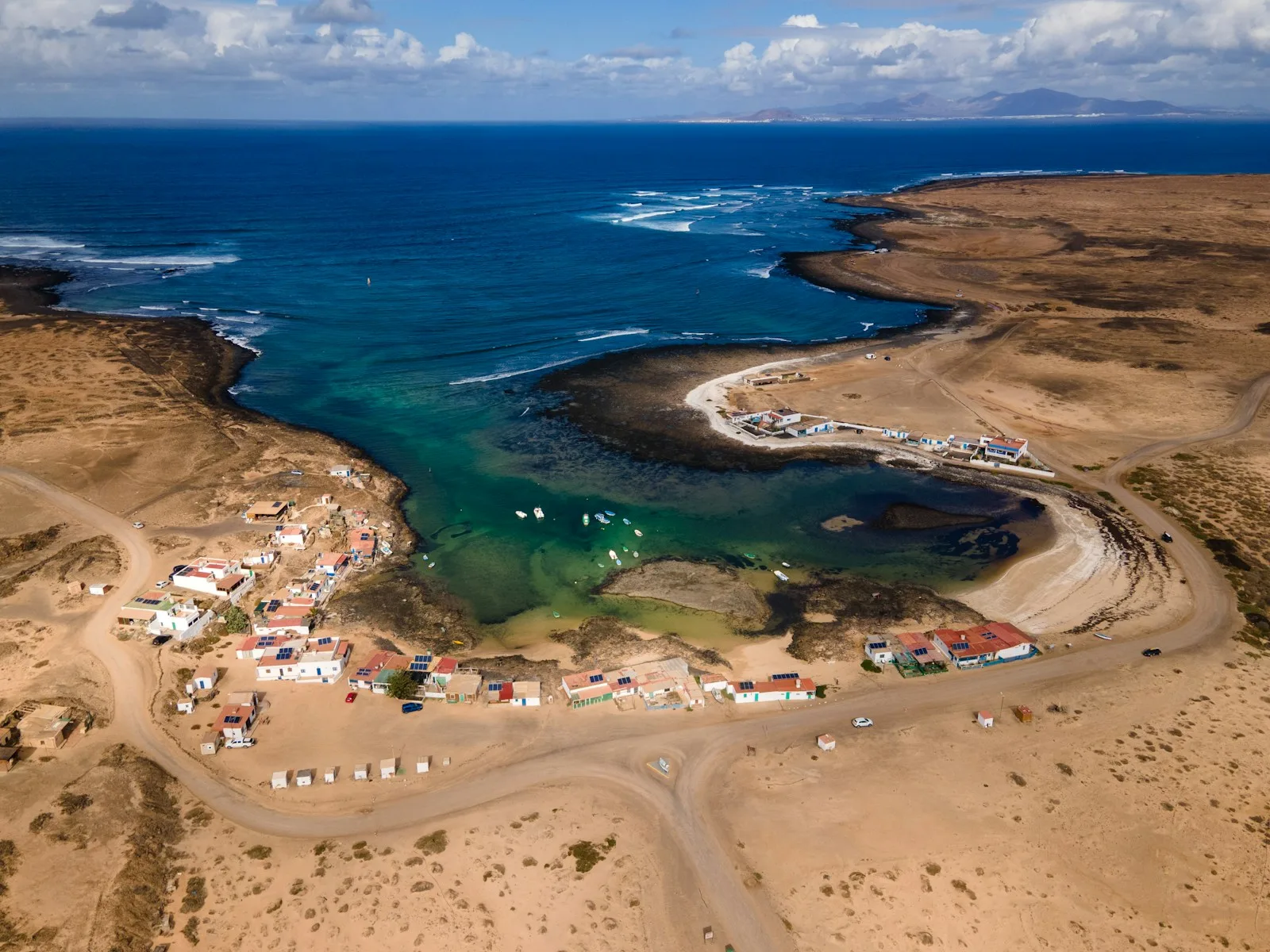
Aerial view of Corralejo town and the white sand dunes of Parque Natural de Corralejo with the Atlantic in the background
Corralejo, Fuerteventura

Corralejo

The island's liveliest resort with world-class dunes and water sports

Corralejo sits at the northern tip of Fuerteventura and is the island's most popular resort. Its wide sandy beaches, natural dune park, and reliable trade winds have made it a global hub for kite and windsurfing. The town itself has a lively harbour, independent restaurants, and a colourful mix of locals and long-stay Europeans. Whether you come for the waves or the atmosphere, Corralejo delivers.

What Corralejo is actually like
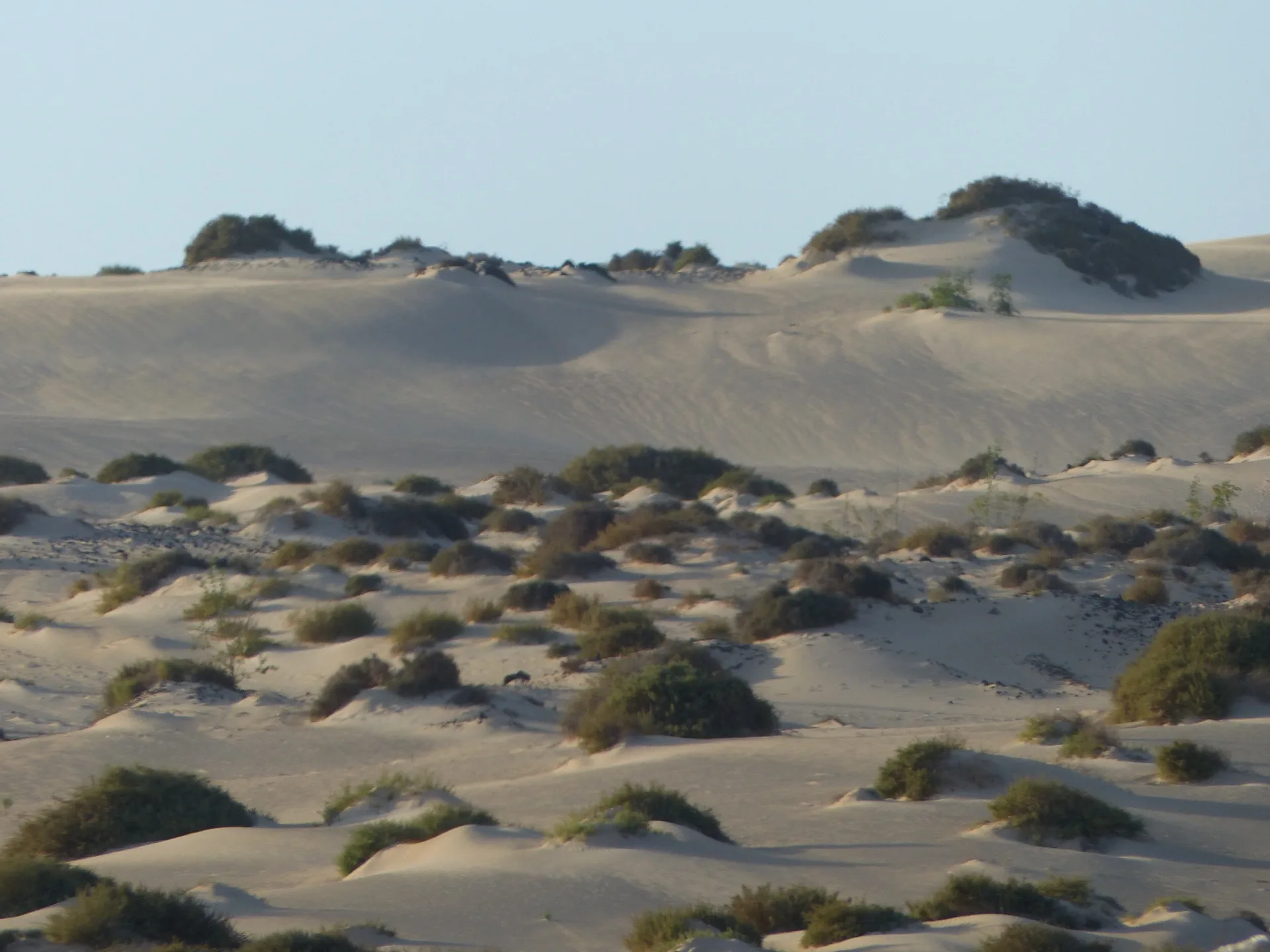
White sand dunes of Parque Natural de Corralejo stretching to the Atlantic shoreline
The dunes begin where the town ends

Corralejo is the biggest resort town in Fuerteventura and it doesn't pretend to be anything else. The old town around the harbour still has narrow streets, fish restaurants and a few stubborn fishermen who haven't sold up, while the southern strip along Avenida Grandes Playas is wall-to-wall apartments, beach bars and surf shops.

The town runs on the trade winds. Walk down to the harbour at sunset and you'll hear half a dozen languages — British families on their February school break, German couples on their fifth visit, Polish groups discovering the Canaries for the first time, Spanish weekenders down from Madrid. Everyone is here for roughly the same reasons: warm Atlantic light, cheap fresh fish, and a beach within five minutes of wherever they're staying.

It's the easiest place on the island to base yourself if you've never been before. Buses are frequent, taxis are cheap, and you can walk to the supermarket, the seafront and a kitesurf school inside half an hour. If you want quieter, El Cotillo is twenty minutes west. If you want wilder, the dunes start at the edge of town.
The beaches and the wind

The headline beaches sit south of town inside Parque Natural de Corralejo — about ten kilometres of pale sand, low dunes and shallow turquoise water. Grandes Playas is the long postcard stretch most people picture; Flag Beach, three kilometres south, is the official wind-sports zone. From late spring through September the trade winds blow steadily from the northeast, which is glorious if you're rigging a kite and less glorious if you're trying to read on a towel.

If you want calmer water, head to Playa Muelle Chico right in the old harbour, or take the twenty-minute ferry to Isla de Lobos and walk to El Puertito lagoon — knee-deep, sheltered and one of the prettiest swims on the island. Numbers on Lobos are capped, so book the permit online a few days ahead.

Mornings are almost always the calmest part of the day, even in summer. Locals swim at 8am before the wind picks up. By mid-afternoon Flag Beach turns into a runway of kites and the dunes pick up a fine layer of moving sand.

Off the beach: food, drink, day trips

Fishing boats and restaurants in Corralejo old harbour at golden hour

Eat fish at the harbour. Anywhere along Muelle Chico will do — the catch is genuinely local, prices are still reasonable, and the parrot fish (vieja) with papas arrugadas is what you came to the Canaries for. For something more inventive, the streets just inland have a strong run of small restaurants doing modern Canarian, ramen, neapolitan pizza and very good craft beer.

Nightlife is concentrated on Calle La Iglesia and around the music square. It's loud and cheerful rather than clubby — think live music spilling onto pavements, sangria jugs, the occasional improvised flamenco set. Families will find it easy to avoid; party groups won't have to look hard.

The best day trips are Isla de Lobos (ferry from the harbour, twenty minutes, twelve euros return), the lighthouse at El Tostón near El Cotillo, and the ferry to Playa Blanca in Lanzarote which takes about thirty-five minutes and gives you a completely different island for the day.

Practical: when to go, where to stay

Corralejo is a year-round destination. Winter (November to March) hovers around 21 to 23 degrees, with shorter days and a slightly higher chance of rain — still warmer than anywhere on the European mainland. Summer climbs into the high 20s but the trade winds keep it bearable. April, May, September and October are the sweet spots if you can pick.

For flights, Fuerteventura Airport (FUE) is thirty-five minutes south by car. There's a direct hourly bus (line 6) for under five euros, or a taxi runs around fifty. Most rentals are walking distance from a bus stop.

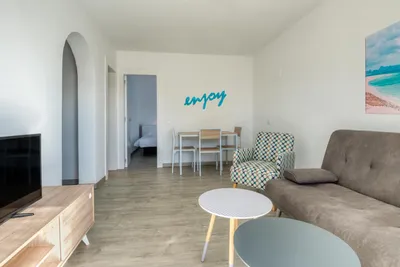
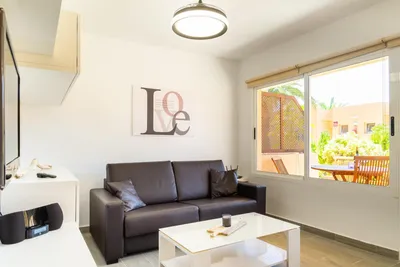
Within Corralejo, the old town near the harbour is the most characterful place to stay — you walk everywhere and the restaurants are on your doorstep. The Avenida Grandes Playas strip is purpose-built holiday apartments, easy and modern but lacking soul. Quieter still are the residential streets around Lago de Bristol, a five-minute drive to the dunes and noticeably cheaper. Browse Corralejo holiday rentals to compare areas before you book.

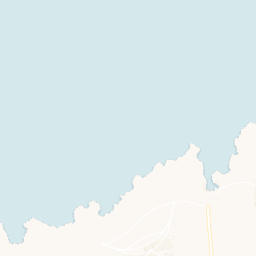
Where is Corralejo?

Frequently asked questions