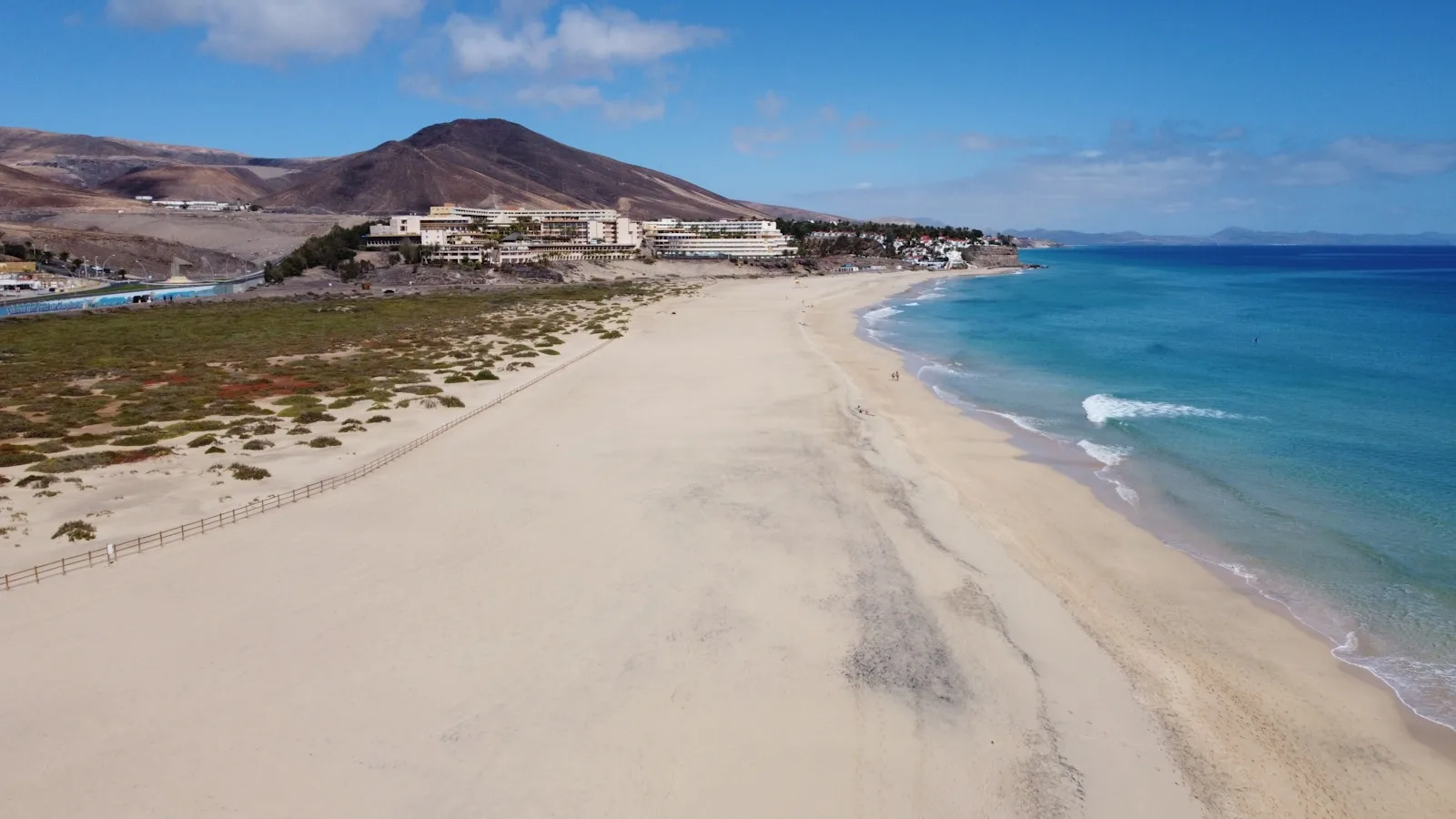
Long curve of Playa del Matorral beach below the white houses of Morro Jable on Fuerteventura's southern coast
Morro Jable, Fuerteventura

Morro Jable

A charming fishing village fringed by the finest white-sand beach

Morro Jable anchors the southern tip of the Jandía peninsula. It combines an authentic old fishing quarter with a long, sweeping beach of pale golden sand. The promenade is lined with restaurants and cafés, and the pace of life is noticeably relaxed. It's an excellent base for exploring the wild Jandía Natural Park and for families who want calm water and full beach facilities.

The southern end of the island
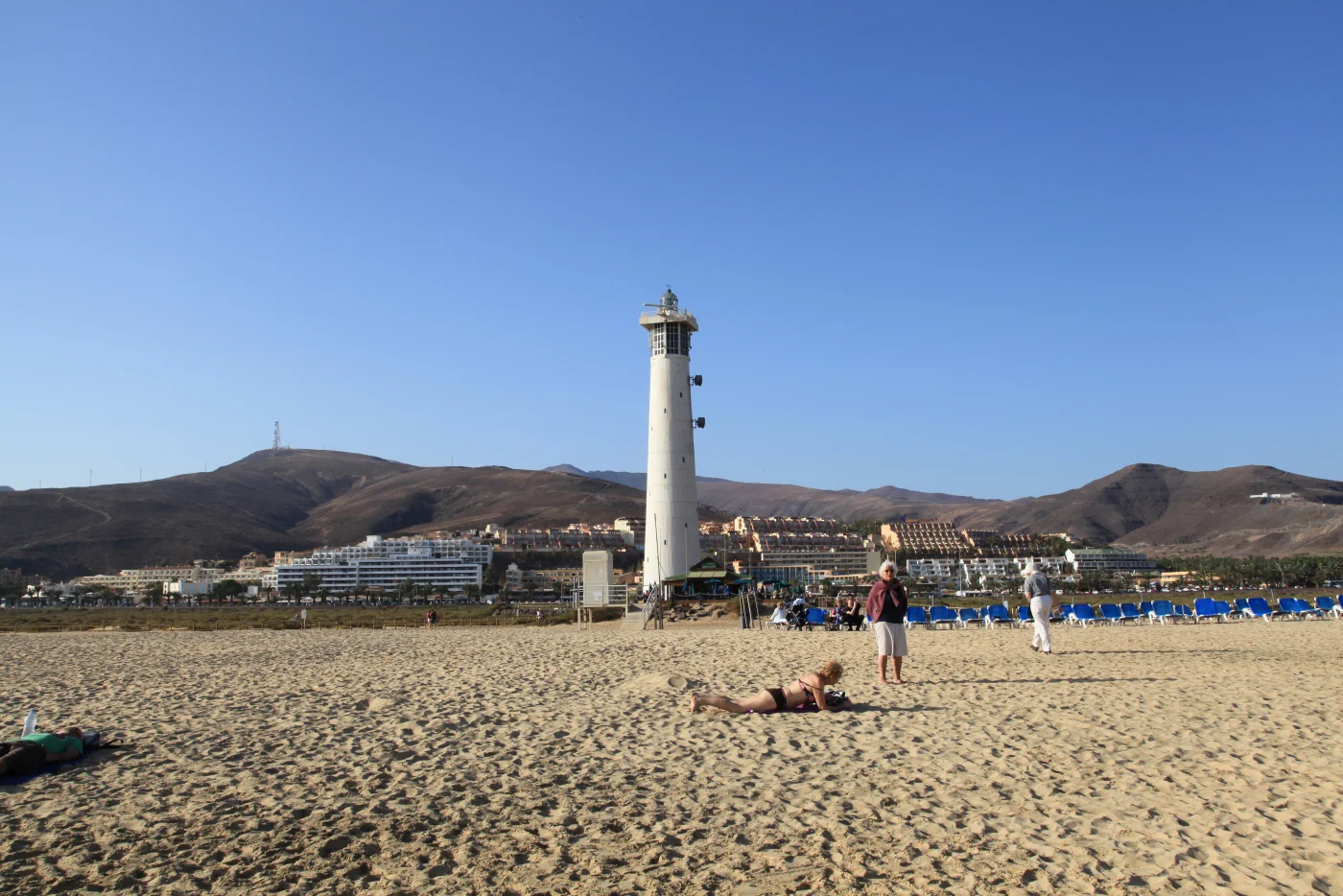
Wide pale sand of Playa del Matorral curving along Morro Jable's southern coastline
Playa del Matorral runs for kilometres east of the old town

Morro Jable is as far south as you can drive on Fuerteventura. The peninsula narrows down to a point, the FV-2 motorway ends, and what you find is a working town that happens to have one of the best beaches in Spain on its doorstep. It's quieter than Corralejo, more permanent than Costa Calma, and noticeably more Spanish in its daily rhythm.

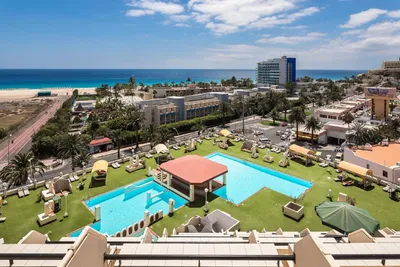
The town has two halves. The original fishing village sits at the western end, tucked behind the small harbour, with steep streets, family-run bars and tile-fronted houses painted white and ochre. The newer hotel zone stretches east along the beach, with the Avenida del Saladar promenade running for several kilometres past low-rise hotels, apartment blocks and palm-shaded squares.

Long-stay Germans love this place — many of them have been coming for twenty years and have favourite cafés where the staff remember their coffee order. That gives Morro Jable an unusual character: less a holiday resort, more a town that happens to host holidaymakers.
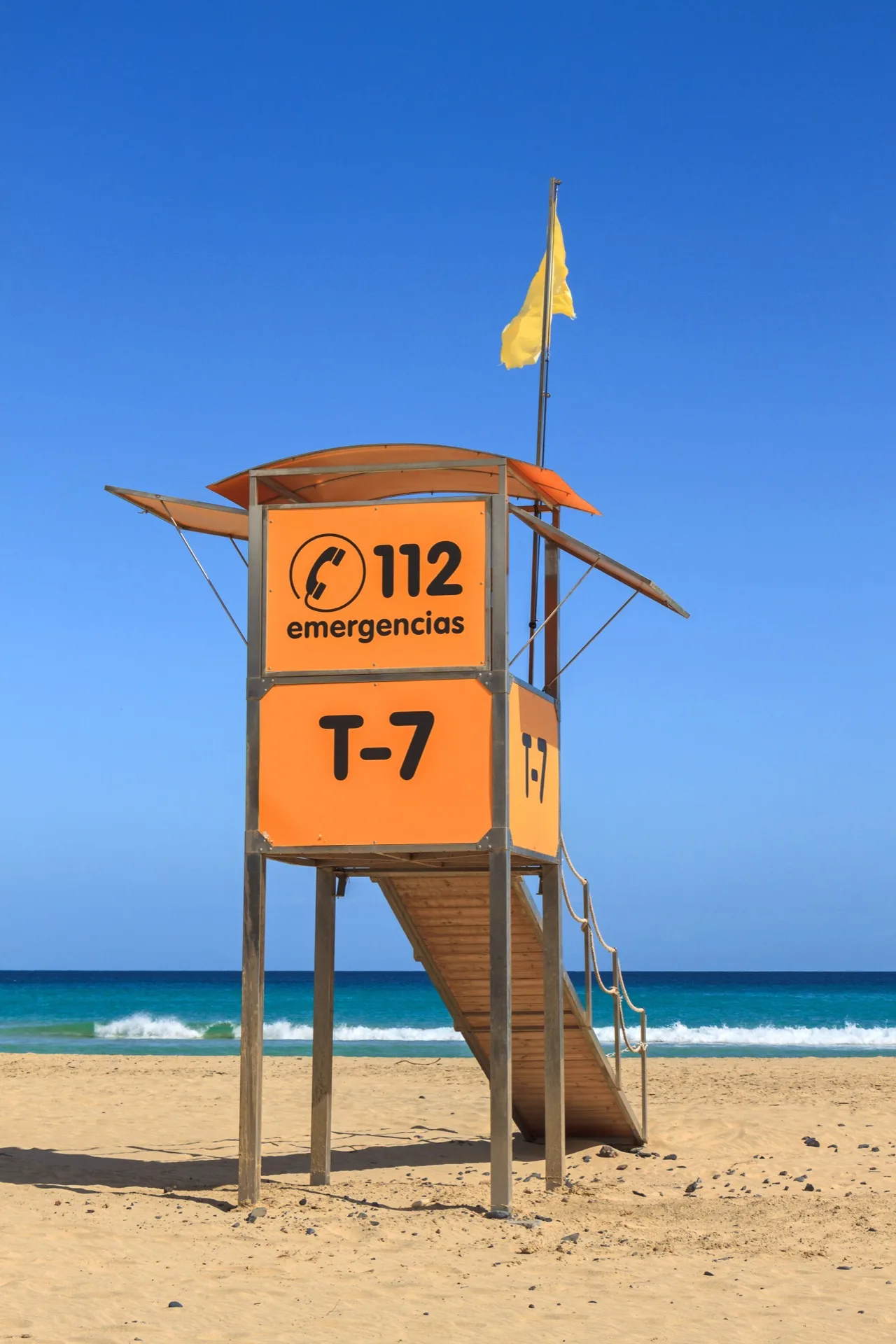
Beaches, walking, water

Narrow cobbled street in Morro Jable old fishing quarter with whitewashed houses

Playa del Matorral is the star: a kilometres-long crescent of pale sand backed by a saltmarsh nature reserve (the matorral itself, an unusual coastal habitat protected as a Sitio de Interés Científico). The water is calmer than the windward beaches up north, the slope is gentle, and there's a blue flag.

A promenade runs the full length of the beach, which makes it ideal for early morning runs and lazy evening walks. The lighthouse at the eastern end is a popular turnaround point. Behind the beach, the saltmarsh is good for birdwatching — egrets, plovers, occasional flamingos.

For wilder water, the road continues west out of Morro Jable into the Jandía Natural Park. Within twenty minutes' drive you reach Playa de Juan Gómez, then Playa de las Pilas, both quieter and rougher. With a 4WD or stout walking boots you can carry on to Cofete on the Atlantic side — one of the most dramatic beaches in the Canaries.

Eating, exploring, cycling

Eat at the old harbour. The fish restaurants on Plaza de la Cebada are where locals go on a Sunday lunchtime — order whatever was landed that morning, drink the cold Tropical beer, and you've understood Morro Jable. La Laja is a long-standing favourite for traditional Canarian cooking; Saavedra Hnos. does excellent grilled fish for a fraction of resort prices.

The peninsula is a paradise for cycling. The FV-2 motorway has wide shoulders, there's a separate coastal cycle path through the resort zone, and gravel routes inland take you up into the Jandía mountains. Bike hire shops cluster around the bus station — expect to pay 12 to 15 euros a day for a decent road bike.

Boat trips run from the harbour to spot pilot whales and dolphins, which live year-round in the deep channel between Fuerteventura and Gran Canaria. There's also a daily ferry to Las Palmas (Gran Canaria) and a less frequent one to Puerto del Rosario — useful if you want to combine two islands.

Practical: getting there and where to stay

Fuerteventura Airport is around 80 kilometres north, an hour and ten minutes by car on the FV-2. The Tiadhe line 10 express bus is reliable and reasonably comfortable — around two hours and ten euros. Most car hire companies will deliver to your apartment if you book in advance.

The best months are March to June and September to November, when temperatures sit in the mid-20s and the wind is manageable. Summer is hotter and busier; winter is mild but the sea is cooler.

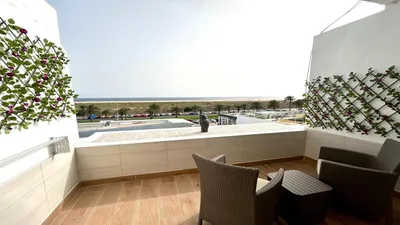
For where to stay: the old fishing village gives you character, walkable bars and the best fish dinners — but the streets are steep and parking is tight. The hotel strip along the promenade puts you straight onto the beach with easy parking, ideal for families. The residential blocks set back from Avenida del Saladar (around Calle del Bocinegro) offer the best value and a quieter, more local feel — usually a five-minute walk to the sand. Compare Morro Jable holiday rentals before you commit.

Where is Morro Jable?

Frequently asked questions