Aerial view of Sotavento lagoon, showcasing its shallow, turquoise waters held by a long sandbar on Fuerteventura's east coast
Costa Calma, Fuerteventura

Sotavento Beach

Home to a vast natural lagoon and the PWA Windsurfing World Cup each summer

Sotavento is arguably Fuerteventura's most renowned beach. Here, a long sandbar forms a vast, shallow lagoon of brilliant turquoise water – a unique aquatic playground that doubles as one of the world's premier windsurfing destinations and a safe, serene paddling haven for young children. Stretching for kilometres, the beach rarely feels crowded, even with its considerable fame.

The lagoon and how it works

Wide shallow turquoise lagoon at Sotavento with windsurfers and sandbar at low tide
At high tide the lagoon fills; at low tide it drains to an enormous sandbar

Sotavento stands out as one of the most spectacular beaches in the Atlantic, and its unique character is no accident. A long sandbar, stretching for about three kilometres parallel to the coast, forms a vast, shallow lagoon of brilliant turquoise water at high tide, nestled between the bar and the shore. This lagoon, rarely more than knee-deep and entirely free of obstacles, benefits from the same steady trade winds that draw kitesurfers to the rest of the east coast. The result is what experienced windsurfers hail as 'the perfect playground' – a claim underscored by its role as host to the PWA Windsurfing World Cup every July and August.

The magic, in part, is tidal. High tide reveals the full, expansive lagoon. At low tide, however, the water drains almost entirely, unveiling an enormous, flat sandbar and transforming the beach into a Wadden Sea-like landscape – kilometres of wet sand mirroring the sky. Both tidal states offer distinct, captivating vistas; checking the tide times before your visit is highly recommended.

The beach itself stretches for approximately five kilometres, encompassing several distinct sections: Risco del Paso, home to the southern lagoon and primary windsurf zone; La Barca, located further north; and the extensive northern stretch leading towards Costa Calma. The entire length is walkable in a couple of hours.
Who it's for and what to do

Windsurfers and kitesurfers flock here from across the globe, drawn by the exceptional conditions. The René Egli school at Risco del Paso, the largest and most renowned, offers courses for all levels and equipment rental by the day or week. Visitors can anticipate powerful winds from May to September, complemented by reliable thermal breezes during the off-season.

Even non-windsurfers will find plenty to enjoy. At high tide, the lagoon offers genuinely safe paddling – most areas are knee-deep, the water is warm, and there are no inherent dangers. Children adore it. Pack a picnic, capture the vibrant colours in photographs, or simply stroll barefoot for hours. While snorkelling opportunities are limited (there isn't much marine life within the lagoon itself), the stunning shallow turquoise waters more than compensate.

The World Cup events in July and August transform the beach into a vibrant festival, bustling with hundreds of professional riders, support vehicles, stages, food trucks, and lively crowds – an exhilarating experience for enthusiasts, though potentially congested for those seeking tranquility. Outside of these event weeks, the sheer scale of the beach ensures that even on busy days, it rarely feels overcrowded.

Practical: getting there and timing

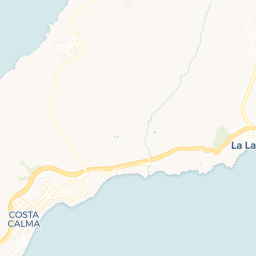
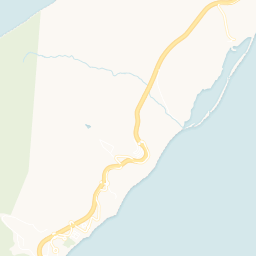
Sotavento is situated on the eastern coast of the Jandía peninsula, accessible via the FV-2 highway, which connects Costa Calma (to the north) and Morro Jable (to the south). The primary car park, clearly signposted from the FV-2, is located at Risco del Paso. For those wishing to explore quieter stretches of the lagoon away from the school, smaller parking spots are available along the coastal road.

From Costa Calma, the beach is a pleasant 30-minute walk south along the coast or a ten-minute drive. From Morro Jable, expect a journey of approximately 15 minutes by car. The local Line 1 bus also serves a stop conveniently close to the main car park.

To experience the lagoon at its most captivating, time your visit with the tides: high tide reveals the iconic turquoise pool, while low tide unveils the dramatic sandbar landscape. Both offer unique perspectives, so plan accordingly. While the main car park offers basic facilities (toilets, plus a beach bar at the school), there are no formal shops nearby, so it's advisable to bring your own water and food.

Mornings typically offer calmer conditions; afternoons are generally windier. If you're not engaging in watersports, consider visiting in the morning and departing as the wind intensifies around midday.

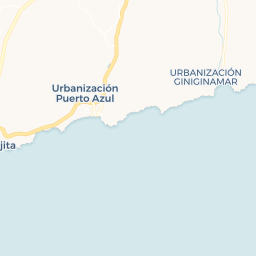
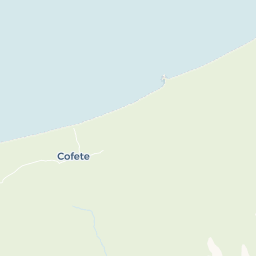
Where is Sotavento Beach?

Frequently asked questions

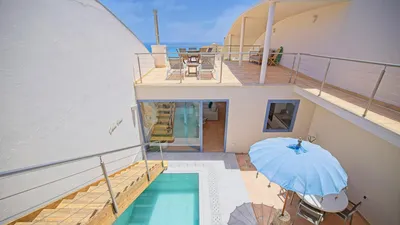
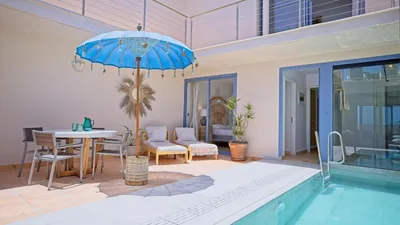
See vacation rentals near Sotavento Beach

Holiday homes and apartments within a short drive of Sotavento Beach, closest first.