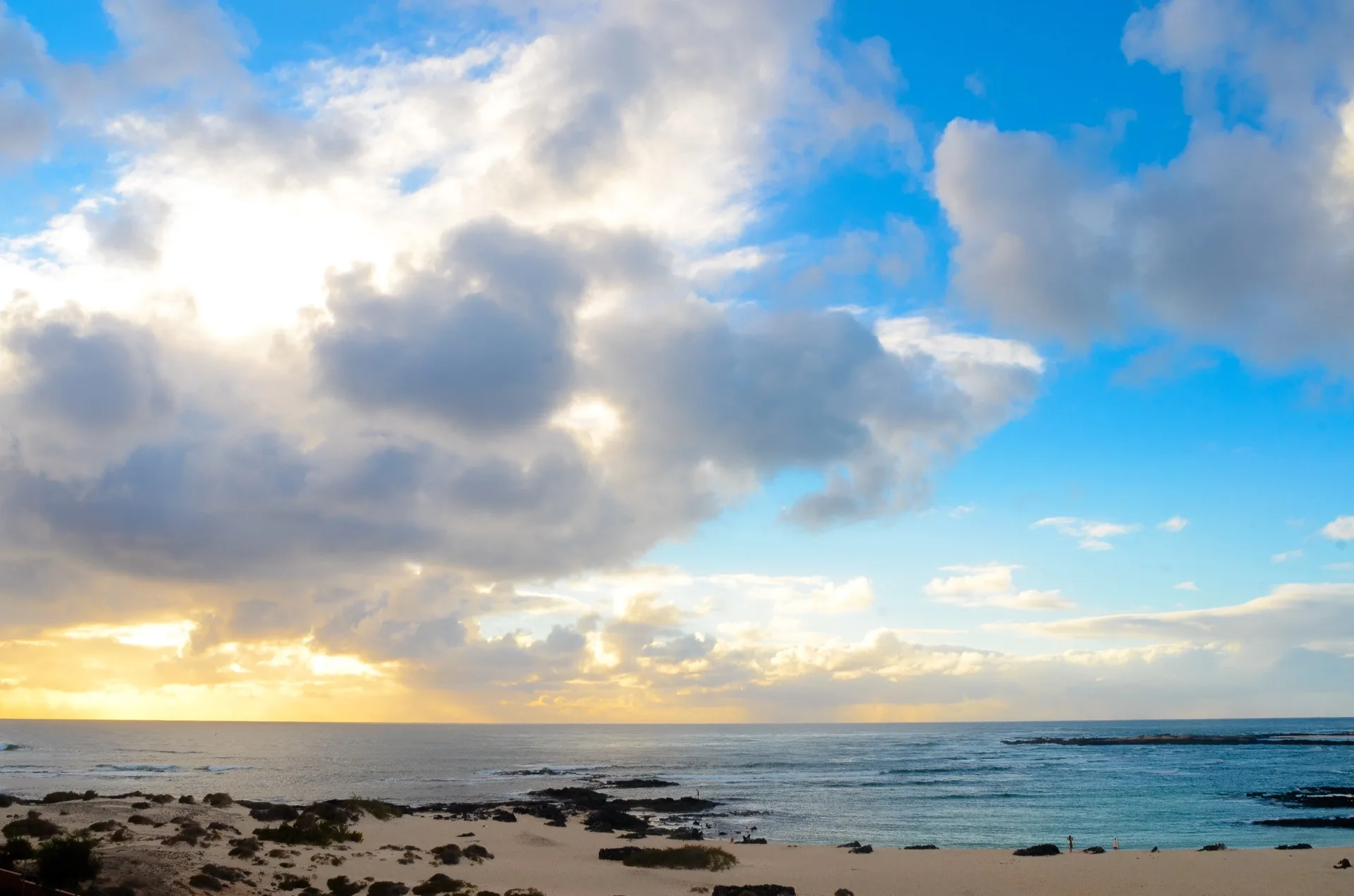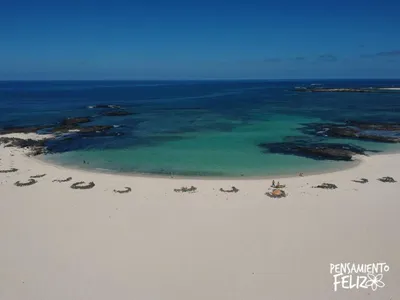
Turquoise lagoons and white sand of El Cotillo beach with black volcanic rocks in the foreground, Fuerteventura
El Cotillo, Fuerteventura

El Cotillo

An unspoilt fishing village beloved by surfers and artists

El Cotillo on the northwest coast is one of Fuerteventura's most authentic villages. The northern beach faces the open Atlantic and produces consistent surf, while the southern lagoons are sheltered and safe for swimming. A thriving community of artists, yoga practitioners, and long-term expats gives the village a distinctive creative energy rarely found in Canarian resorts.

A fishing village that surfers found

Shallow turquoise lagoon at El Cotillo with pale sand and dark volcanic reef
The lagoons south of the village are calm and shallow

El Cotillo is what people mean when they say they want "the real Fuerteventura". A small village on the northwest coast, about twenty minutes' drive from Corralejo, with a working fishing harbour, a few hundred year-round residents, and a coastline that swings from sheltered turquoise lagoons to wild Atlantic breaks within a couple of kilometres.

It was a sleepy fishing settlement until the 1990s, when surfers started arriving. Now it has a quietly bohemian feel — yoga retreats, vegan cafés, a few good restaurants, surf schools, and rental cottages painted in driftwood colours. It hasn't been overbuilt. The village still feels low-rise, locally-owned and a bit windblown in the best possible way.

This is not a resort. There's no all-inclusive hotel, no nightclub, no beach bar pumping electronic music. The pace is slower. People walk the lighthouse road at sunset, eat fish at the harbour, and turn in early. If that sounds like your kind of holiday, you'll love it.

Two coasts, two completely different beaches

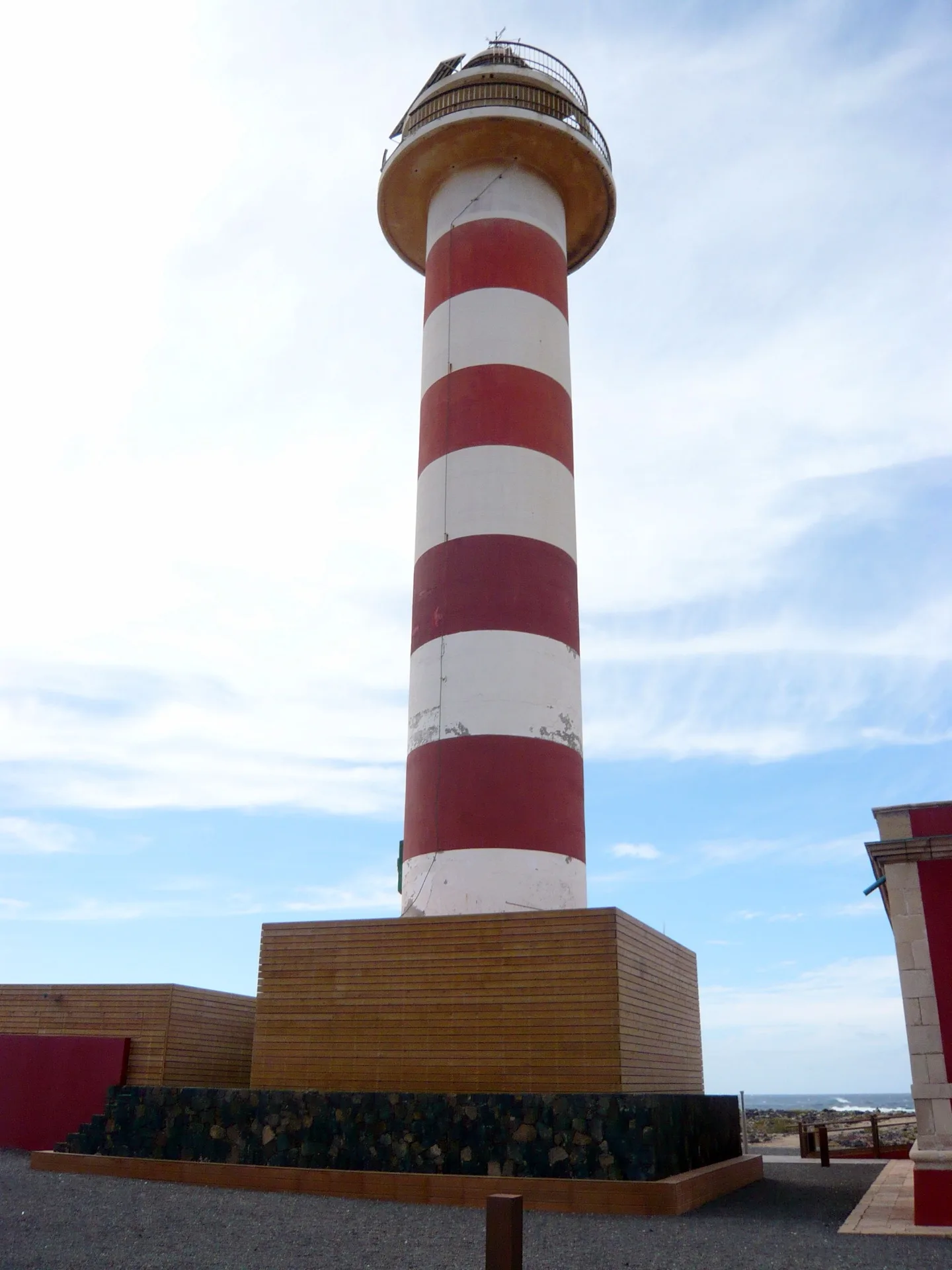
El Tostón lighthouse near El Cotillo with the Atlantic coastline behind

El Cotillo's defining feature is that you can pick your weather. To the south of the village stretches a chain of sheltered lagoons — Playa de los Lagos, Playa de la Concha, Playa del Castillo — where a reef of black volcanic rock breaks the Atlantic swell and leaves shallow turquoise pools. Safe for children, brilliant for paddling and snorkelling, breathtakingly clear.

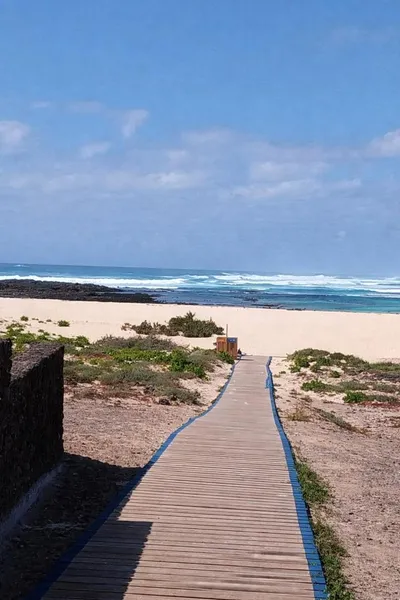
To the north, the same coast becomes one of the most consistent surf zones in the Canaries. Piedra Playa (sometimes called Playa del Águila or simply North Beach) catches the open Atlantic and produces clean breaks suited to intermediate and advanced surfers. Several local schools run classes for beginners on calmer days.

In between sits the village itself, with its little harbour where you can swim from concrete steps if it's flat. The Torre del Tostón watchtower at the harbour entrance is an 18th-century anti-pirate fort and the village's only formal sight.

Where to eat and what to do

Eat at La Vaca Azul or one of the seafood restaurants on the harbour wall — fresh fish, sea views, prices noticeably lower than Corralejo. For breakfast or brunch, Olivo Corso and the various small cafés on Calle 3 de Abril de 1979 (the main village street) cover good coffee, sourdough, and reasonable vegan options.

Activities are mostly water-based. Beginners surf lessons run roughly 35 euros for half a day. SUP boards are easy to rent at the lagoons. A handful of yoga studios offer drop-in classes. For something dryland, the lighthouse complex at El Tostón has a small fishing museum and a cluster of restaurants — a 15-minute walk or 5-minute drive north of the village.

The wider area is worth exploring. Lajares, ten minutes east, is the inland hippy-surf village with great cafés (Canela is the standout) and Saturday markets. The Calderón Hondo volcano hike, also near Lajares, is a straightforward 90-minute return walk with a crater at the top and views across to Lobos.

Practical: getting there and choosing your spot

The airport is around 50 kilometres south, an hour by car. There's no direct bus — you'll need to change at Corralejo (line 6 then line 8) or hire a car. Most people choose a car. Distances are short, fuel is cheap, and you'll want the freedom to explore.

The wind blows pretty steadily here from May through September, just like Corralejo. Winter is calmer but the surf is bigger, which is the trade-off the village's hardcore regulars make. If you want sun-lounger weather, the lagoons are your friend year-round.

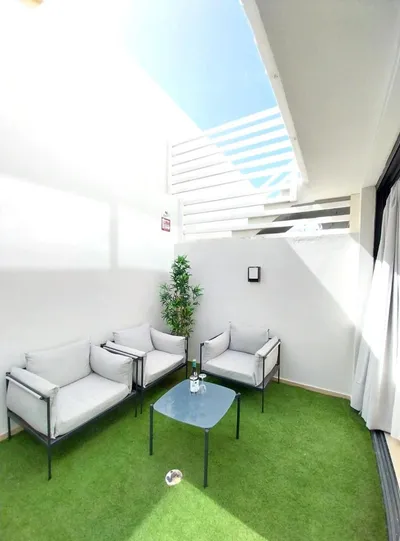
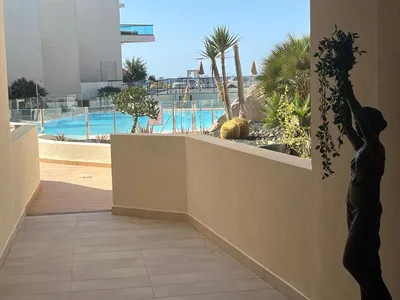
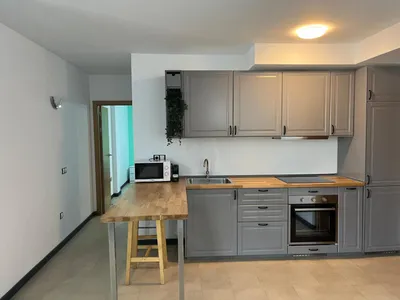
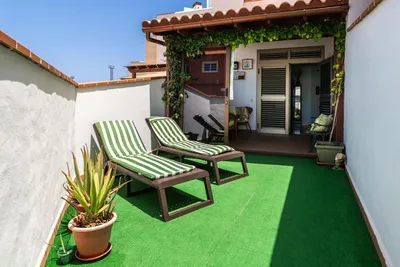
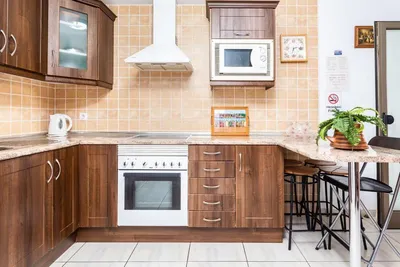
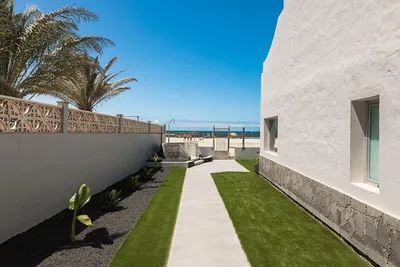
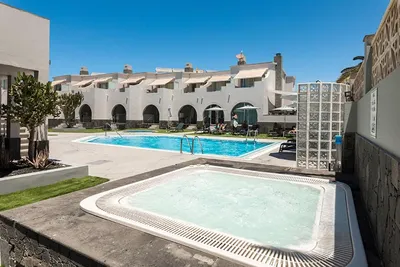
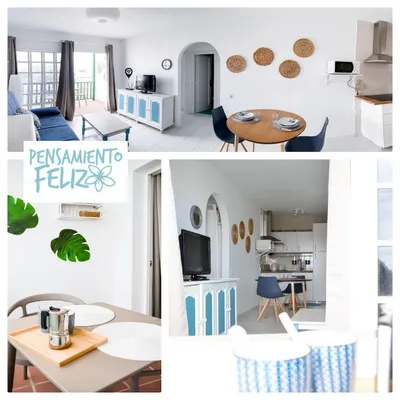
Within El Cotillo, the village centre puts you walking distance from restaurants and the harbour. The cottages dotted along the lagoon coast (Los Lagos and Castillo) are quieter and right on the sand but you'll want a car for groceries. New developments on the inland edge of the village offer more modern apartments and pools, often at lower nightly rates. Browse El Cotillo holiday rentals to compare.

Where is El Cotillo?

Frequently asked questions