Open-air sculpture and palm-lined avenue in Puerto del Rosario, the capital of Fuerteventura
Puerto del Rosario, Fuerteventura

Puerto del Rosario

The island's cosmopolitan capital full of street art and local life

Puerto del Rosario is the capital and largest city of Fuerteventura, home to around 40,000 residents. It is the most authentically Spanish place on the island — far removed from the resort strip — with a vibrant street art trail, local markets, and a working harbour. Visitors who base themselves here experience a side of Fuerteventura most tourists never see, and prices for accommodation and restaurants are noticeably lower.

Not a resort — the actual city

Public sculpture and mural on a Puerto del Rosario street as part of the open-air sculpture trail
The open-air sculpture trail runs through the centre of the city

Puerto del Rosario is the capital of Fuerteventura and where most of the island actually lives. Around 40,000 people, the port, the regional government, the hospital, the main schools. Tourists overlook it almost completely — most arrive at the airport, drive straight past on the FV-2 to Corralejo or Caleta, and never come back. That's a missed opportunity.

The city is small enough to walk in a couple of hours but has a depth that the resorts don't. There's a working harbour with ferries to mainland Spain and the other islands, a couple of decent museums, a thriving open-air sculpture trail, local-priced restaurants, real shops selling things other than souvenirs, and a proper Saturday morning market in the Mercado de Abastos.

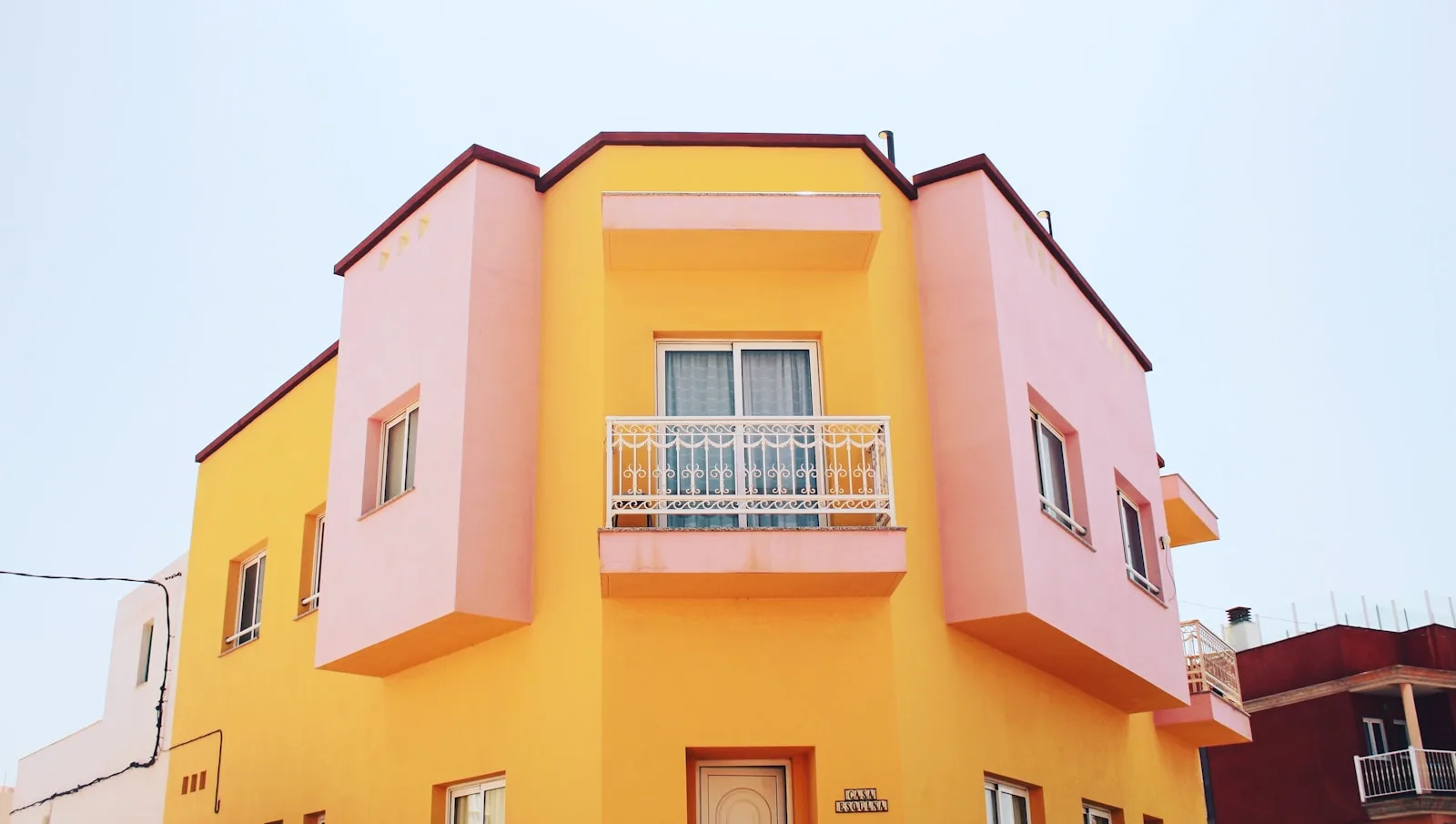
It's not pretty in the way a postcard Andalusian village is pretty. It's a workaday Atlantic port — flat-roofed houses, palm-lined avenues, a few colonial buildings around the cathedral, container ships in the bay. But spend a day here and you'll see the real Fuerteventura that the resorts hide.

What to see and do for a day

Start at the Casa Museo Unamuno, the small house where the Spanish philosopher Miguel de Unamuno spent his exile in 1924. Unamuno wrote some of his most famous poems about Fuerteventura's landscape and his presence here is part of why the island has such a vivid literary identity. Free to enter, around 30 minutes.

Walk the sculpture trail. Puerto del Rosario hosts an international sculpture symposium every couple of years, and the resulting works are scattered through the streets — over a hundred of them at last count, ranging from monumental abstracts to playful figures. The tourist office hands out a free map and you can do the full loop in about two hours.

The cathedral (Iglesia de Nuestra Señora del Rosario) is a simple 18th-century church with a lovely wooden ceiling. The Plaza de la Iglesia next to it is the closest the city has to a tourist square. For shopping, the pedestrianised Calle León y Castillo is the main strip and the closest you'll get to authentic Spanish high street commerce on the island.

For a longer trip, drive 25 minutes north to the historic village of La Oliva, with its Casa de los Coroneles colonial mansion.

Eating, drinking and the local scene

Eating in Puerto del Rosario is a genuine treat. Because it's a working city, prices are local — a fish lunch with wine for fifteen euros is normal. The area around Calle La Cruz has half a dozen small restaurants doing traditional Canarian cooking; La Lonja and Casa Marcos are long-standing favourites for fish. For something more contemporary, El Rincón de Juanjo near the harbour does great tapas.

The café culture is strong. Locals start the day with a cortado leche y leche (espresso with condensed and steamed milk — sweeter than it sounds, perfect for breakfast) and stay for hours. Pastry shops do excellent bizcochón (Canarian sponge cake).

Nightlife is genuinely local — a few bars around Calle Primero de Mayo, a couple of clubs near the bus station, nothing like the resort strips. If you want to drink with people who actually live on the island, this is the right place.

The Saturday Mercado de Abastos market in the covered municipal hall is worth timing your visit around — fresh fish, local cheese, papayas grown on the island, the goat farmers from the highlands.

Practical: when and where

Most people visit Puerto del Rosario as a day trip from somewhere else — Corralejo (40 minutes), Caleta de Fuste (15 minutes) or Costa Calma (40 minutes). All buses on the island go through the central station here, so it's a useful pivot point.

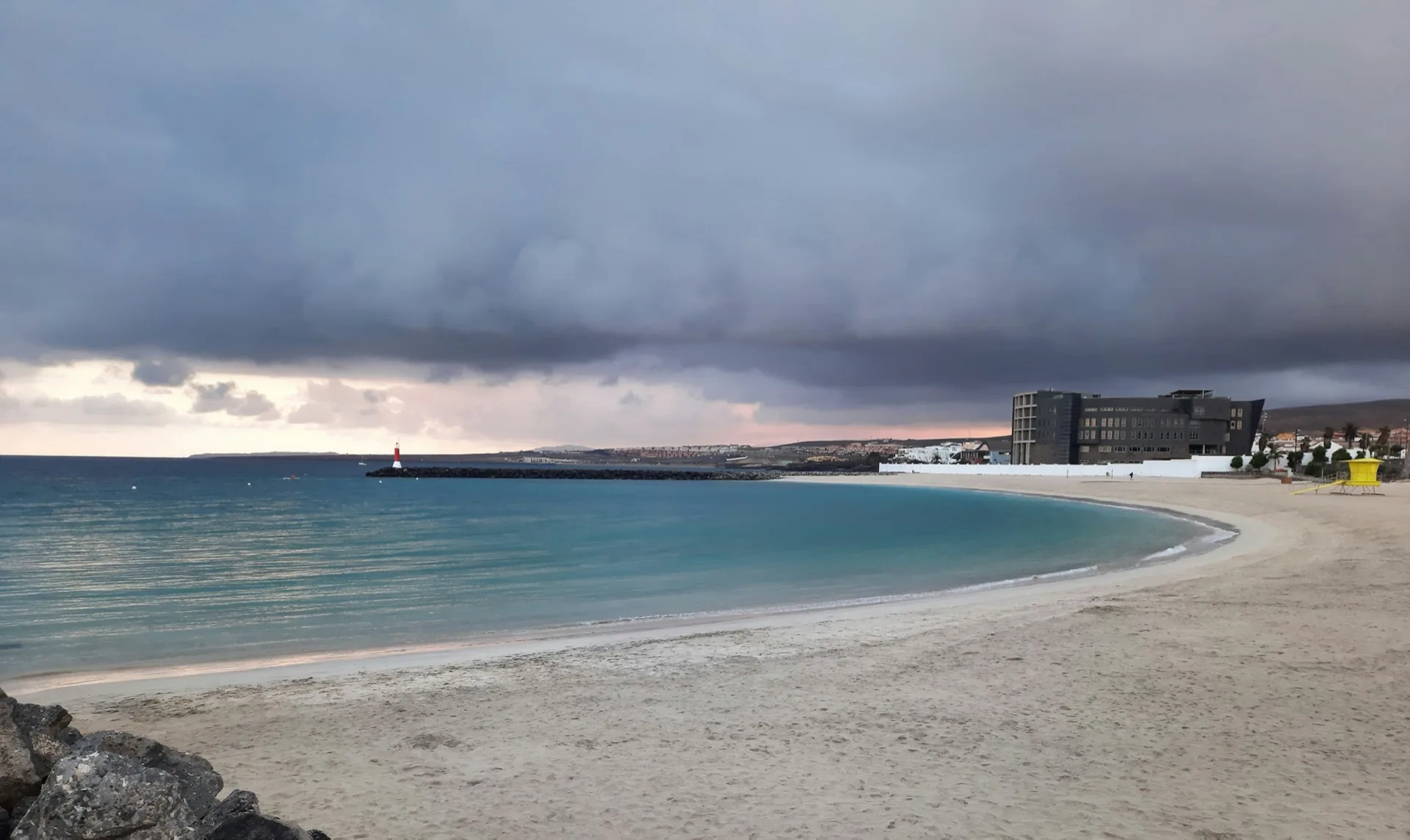
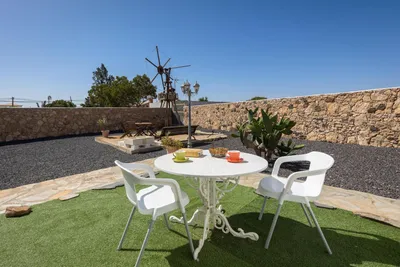
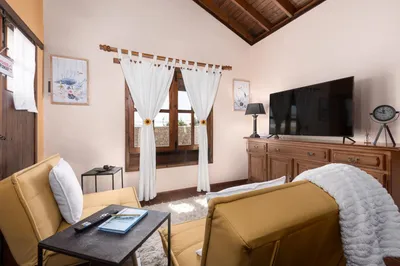
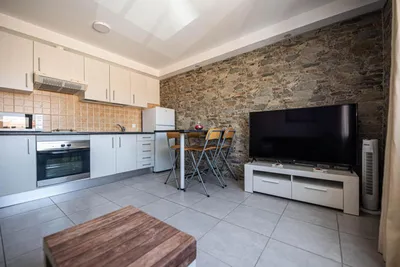
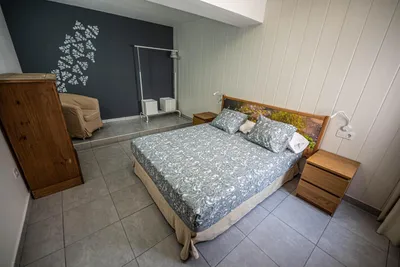
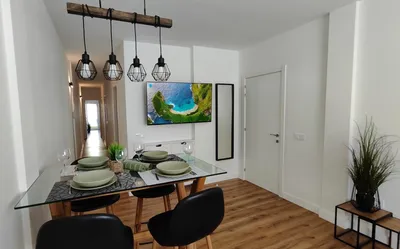
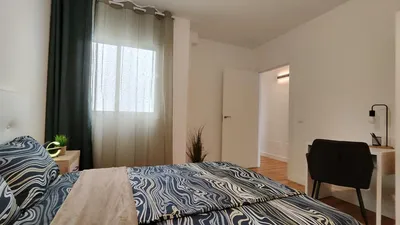
If you choose to stay overnight, you'll find apartment rentals at noticeably lower prices than the resorts, and you'll be in walking distance of restaurants and the port. The trade-off is that there's no swimming beach in the city itself — Playa Blanca, just south, is a small urban beach but most locals drive to Caleta or further afield for proper sea swimming.

The airport is only 6 kilometres south of the city, ten minutes by car or on the regular bus. If you're connecting through Fuerteventura and have a long layover, the city is genuinely close enough for lunch and a quick wander.

For where to stay, the centre near Calle León y Castillo gives you walkability and the best café/restaurant access. The seafront promenade north of the harbour has some good newer apartments with sea views. Browse Puerto del Rosario holiday rentals to compare.

Where is Puerto del Rosario?

Frequently asked questions